

Larisa Brechun: Somnia
November 14–December 5, 2O26
The subtle qualities of the soul—softness, stillness, fragility, solitude—are often belittled for their “weakness," dismissed as defects of simpering prey in a predatory age, where might and volume rule and humanity fills its hours with chatter and self-exposure. Introspection is the enemy of the social machine, softness a death sentence, silence a grave. And yet, these delicate instincts are essential to the most intimate operation of the soul: the dream.
In Larisa Brechuns’s Somnia, the artist lays bare the quiet privacy of the dreaming mind and the fugitive debris of memory, myth, and imagination as it freely floats in the cocoon of sleep, coalescing into mysterious forms that defy daylight logic. Under her gentle hand, soft animal bodies take shape alongside evaporating cosmic beings and primordial symbols of wilderness, all adrift in the penumbra of the dreaming state, suspended in etheric margins between the deep woodland dark and the flirting light of a winking moon.
Brechun’s darkness has substance, an amplitude of unseen marrow with texture and weight, like a cave or a chrysalis. Lonely figures gently emerge from abyssal thickets, twisting into the light of the omnipresent moon’s awareness as quickly as they recede. They are camouflaged by silence and shadow, hiding by turns in shyness, in stillness, in pain, in contemplation, their bodies alternating between states of rest and transmutation. The paintings reveal only as much as they desire to be perceived in their tender in-betweenness, a simultaneous urge to hide and to illuminate.
Brechun’s sensitivity to the transience between light and dark, hiding and illuminating, imbues Somnia with a sincerity that is both self-disclosing and universal. She is intimately attuned to the beauty of retreating inclinations, the gentle parts of the self that are necessary for the soul’s ceaseless project of becoming, where vulnerability is the grist of soul-making. Without it, the roaming residue of the dreaming dark has no oxygen, and imagination, anchorless, shrinks. The living world loses dimension, the soul atrophies.
Those subtle qualities, those delicate instincts–to hide, to be still, to remain soft–are the prima materia of being human.
–Laura Hines
A portion of proceeds from this exhibition will be donated to Red Rover. Red Rover helps animals in crisis and protects and strengthens the bond between people and animals through emergency sheltering, disaster relief services, financial assistance, and education.
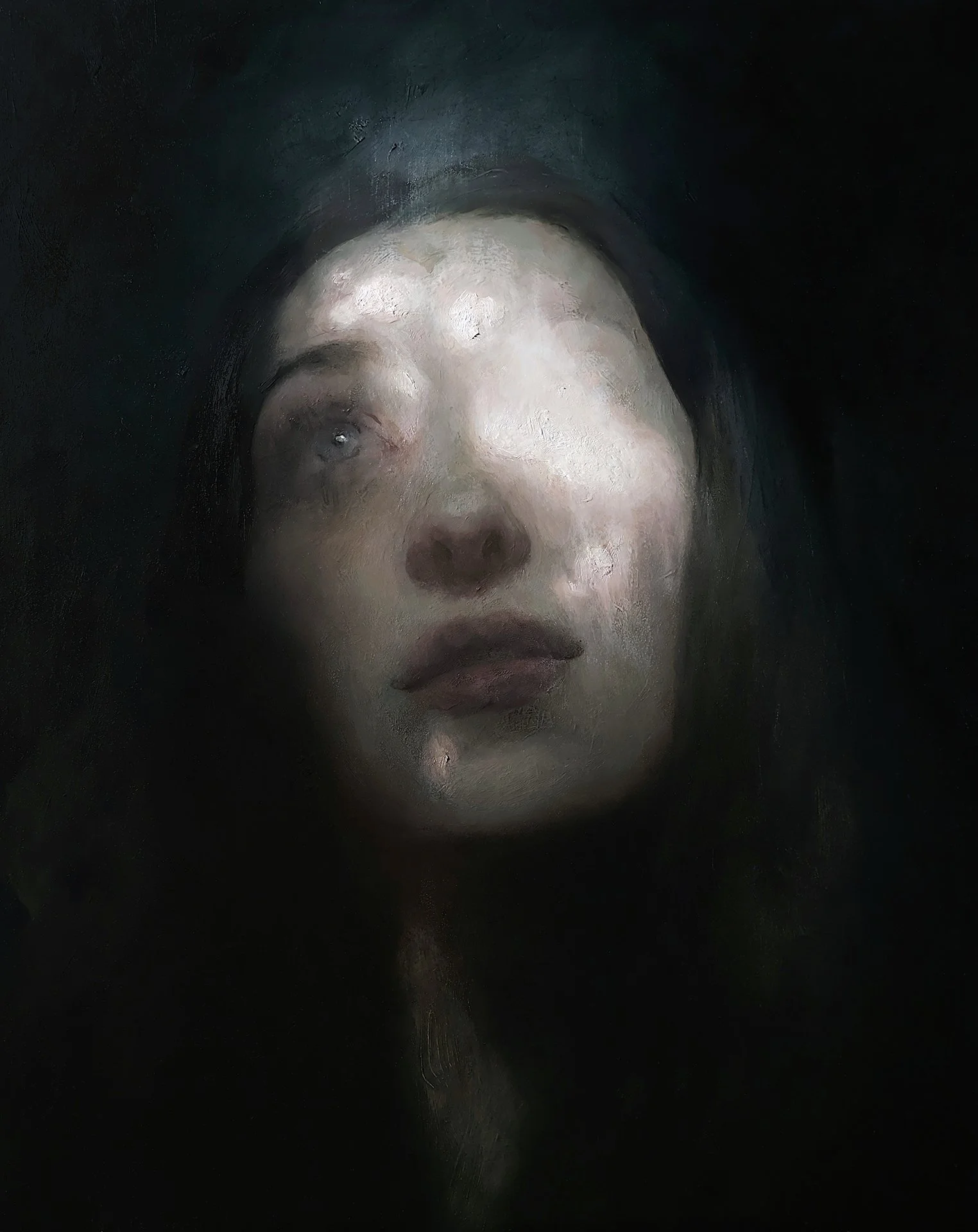
LARISA BRECHUN
WILLOWOil on panel20 x 16 inches50.8 x 40.6 centimeters
SOLD
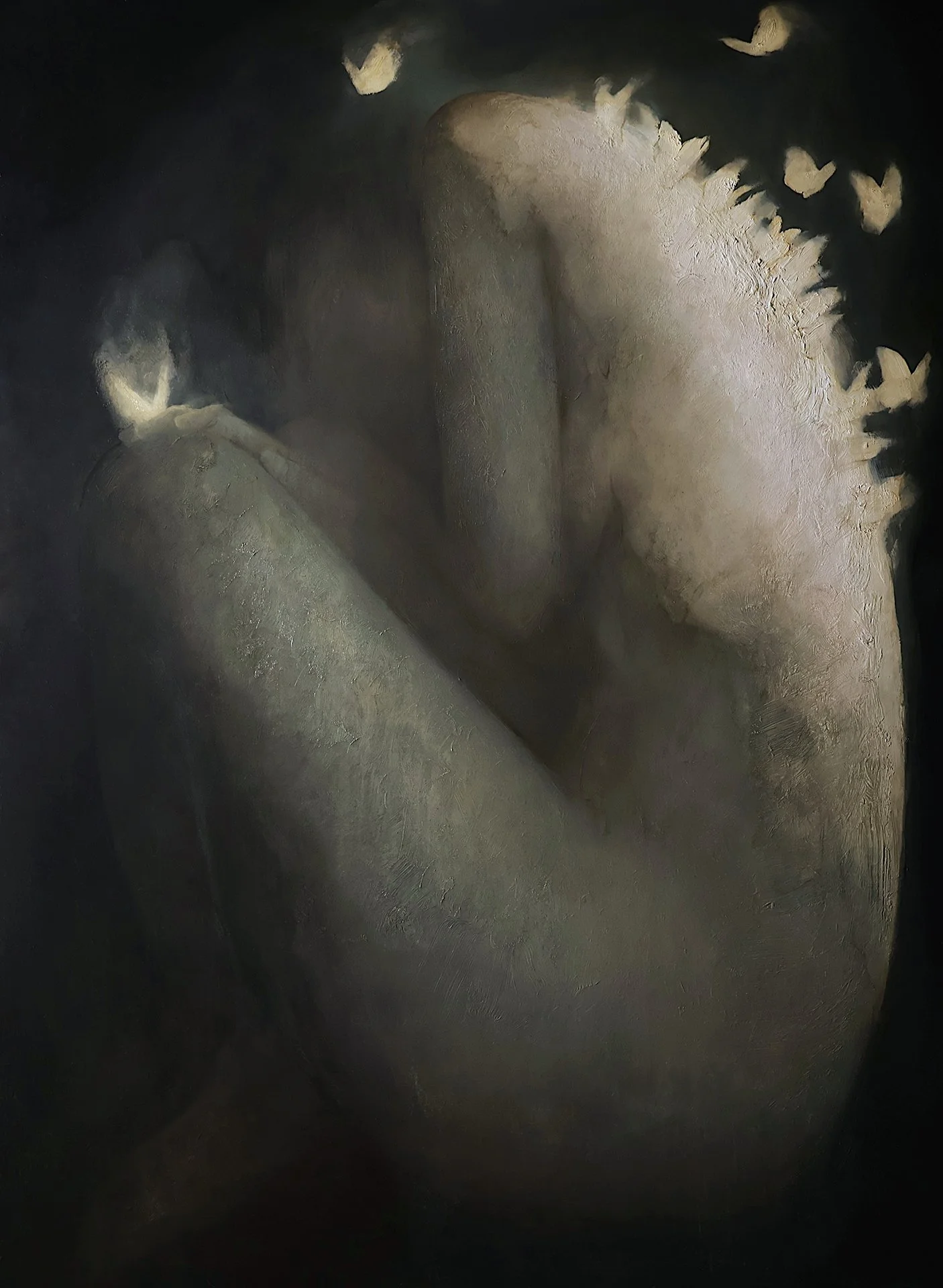
LARISA BRECHUN
CHRYSALISOil on panel40 x 30 inches101.6 x 76.2 centimeters
$7200BUY →
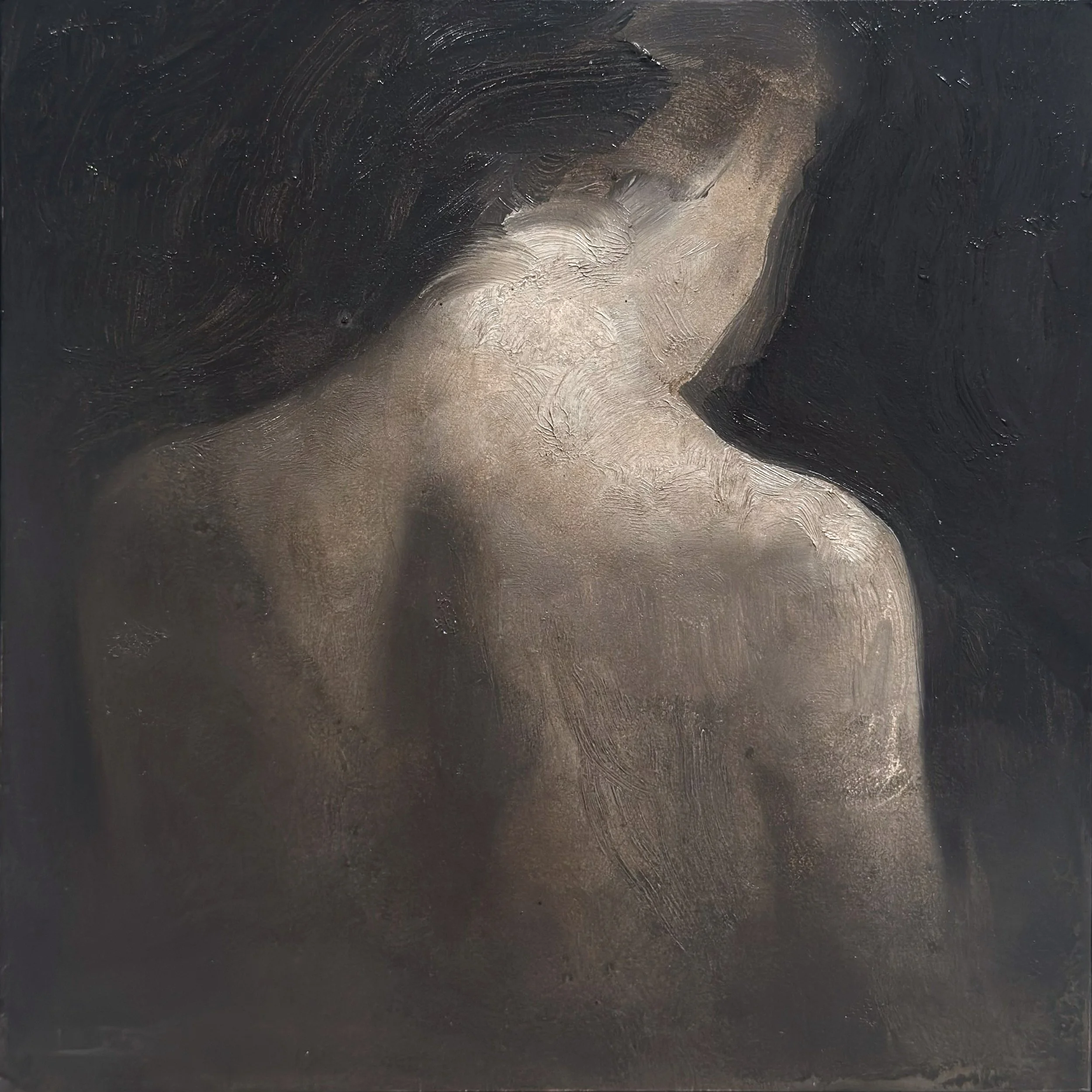
LARISA BRECHUN
UNTITLED STUDYOil on panel6 x 6 inches15.2 x 15.2 centimeters
SOLD
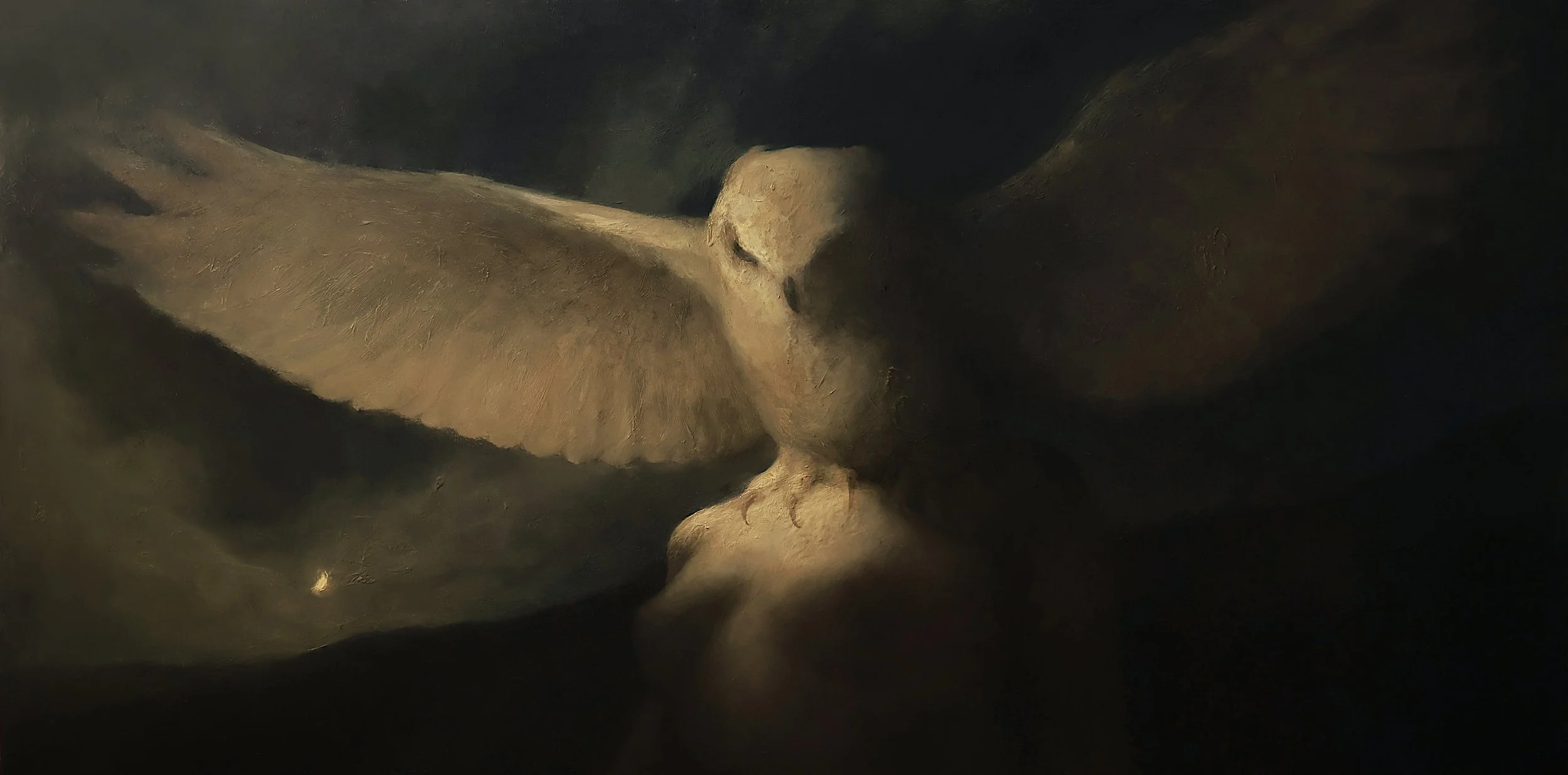
LARISA BRECHUN
PYTHIAOil on panel18 x 36 inches45.7 x 91.4 centimeters
$5200
<BUY →
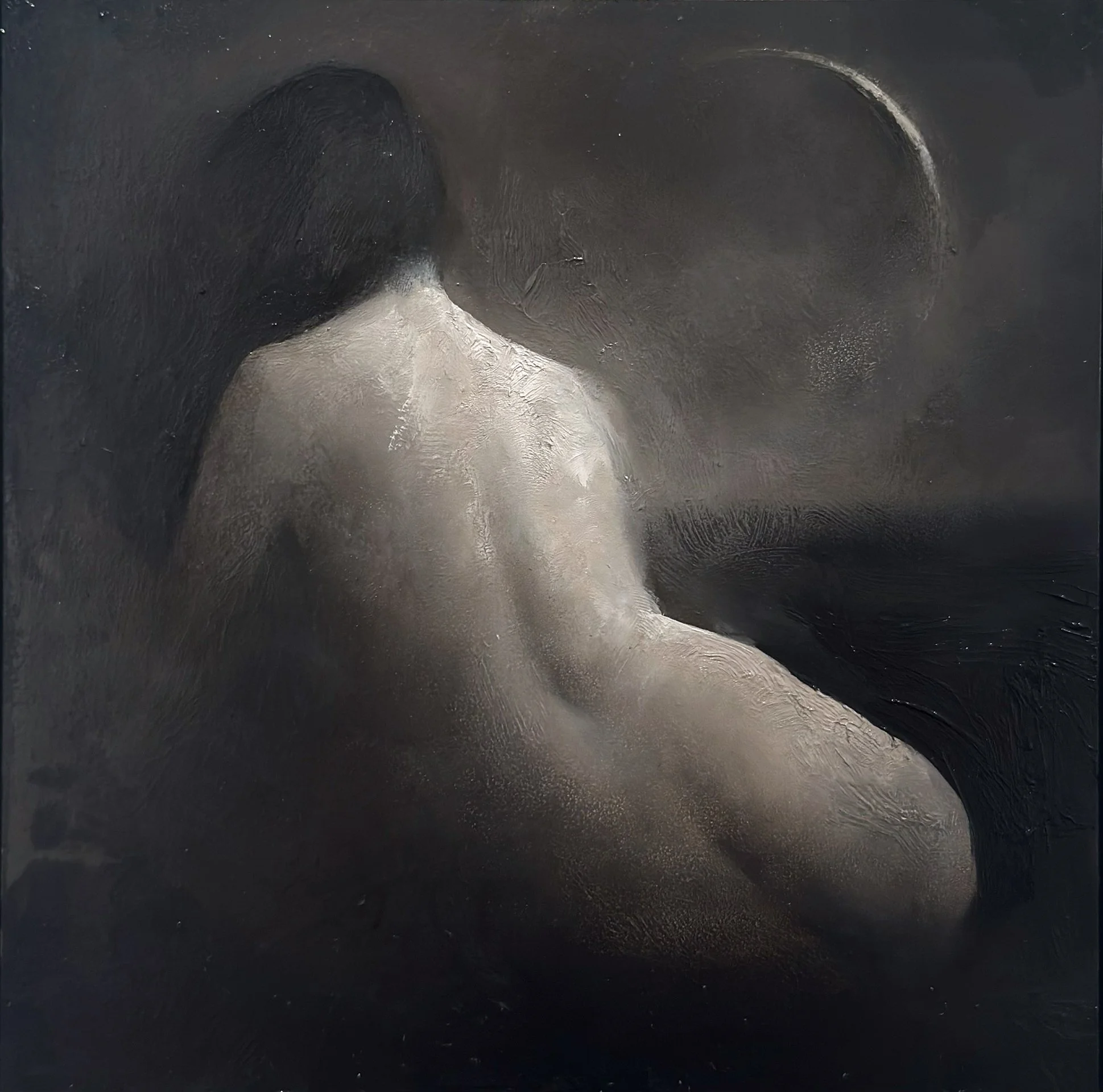
LARISA BRECHUN
UNTITLED STUDYOil on panel8 x 8 inches20.3 x 20.3 centimeters
SOLD
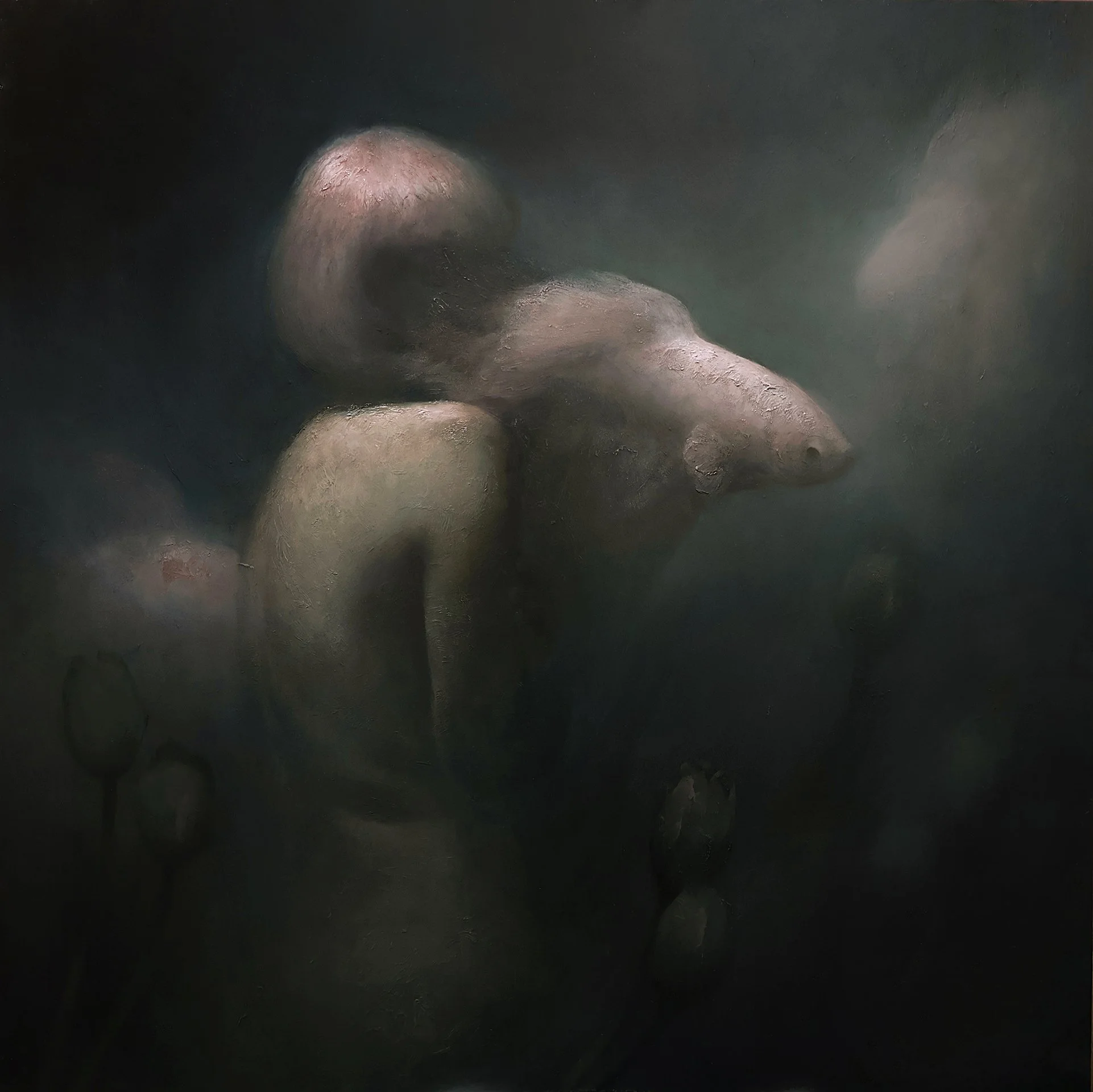
LARISA BRECHUN
SPLENDENSOil on panel30 x 30 inches76.2 x 76.2 centimeters
$6200BUY →
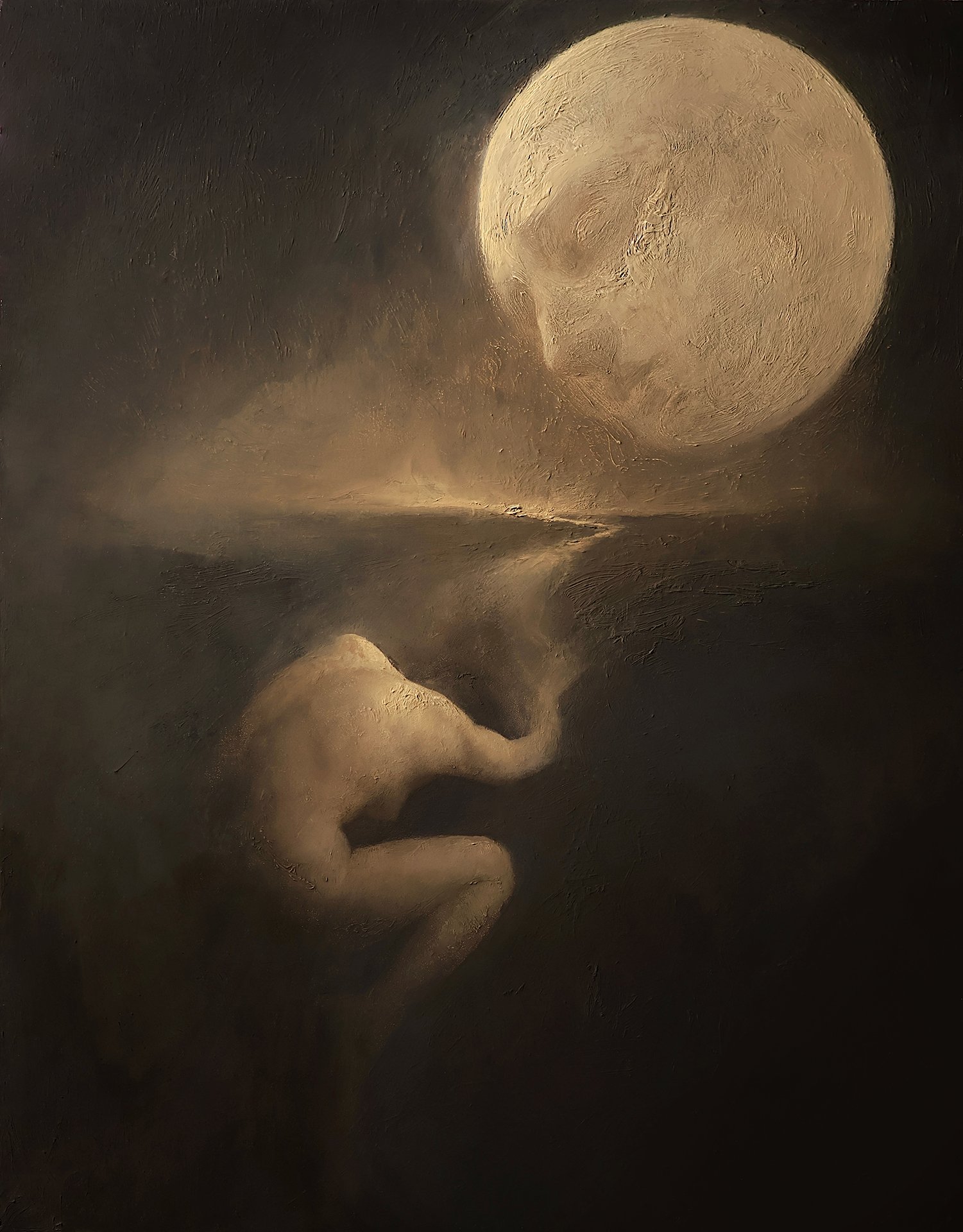
LARISA BRECHUN
INVOCATIONOil on panel20 x 16 inches50.8 x 40.6 centimeters
SOLD
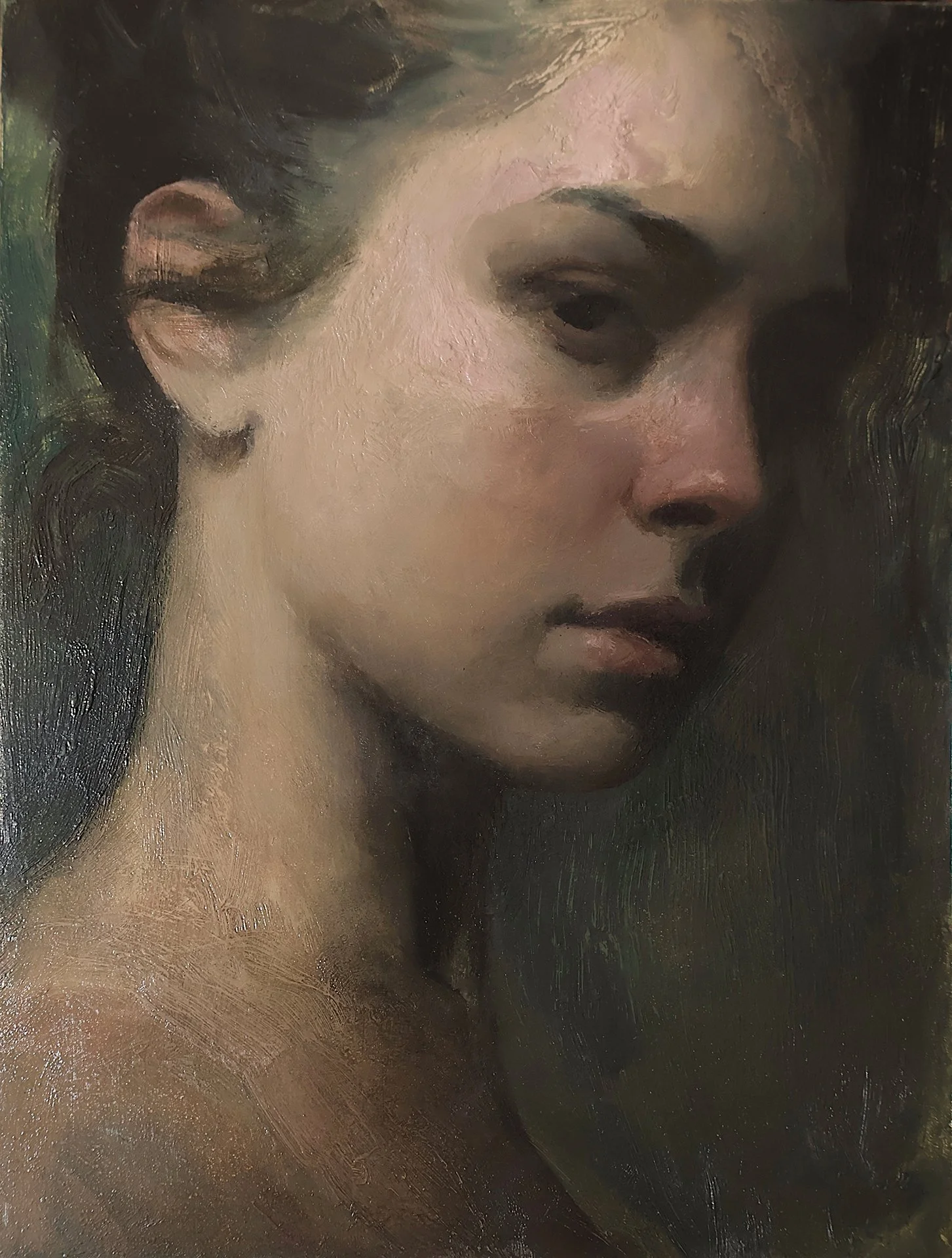
LARISA BRECHUN
SELF-PORTRAITOil on panel8 x 6 inches20.3 x 15.2 centimeters
SOLD
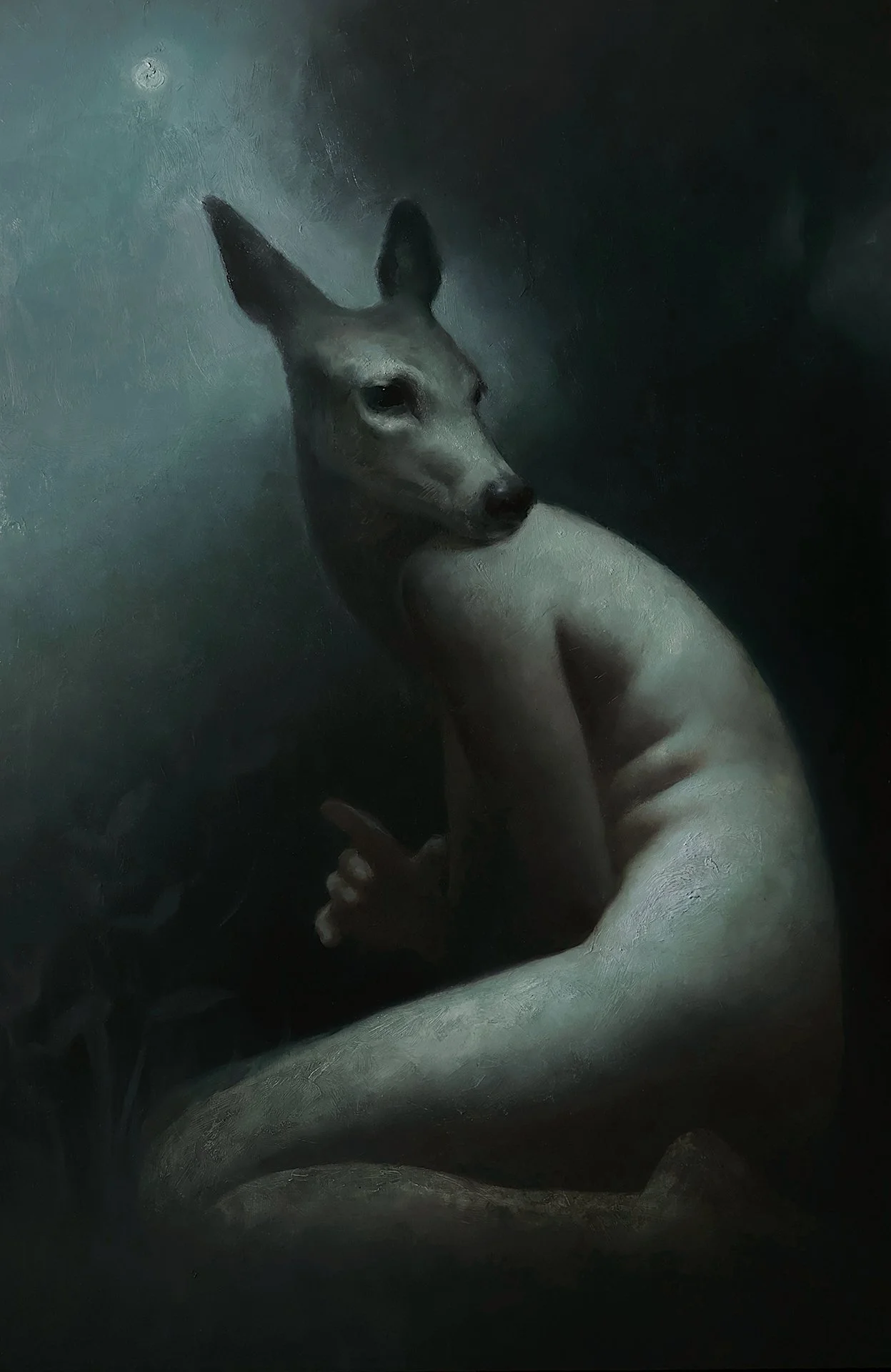
LARISA BRECHUN
WHITETAILOil on panel30 x 20 inches76.2 x 50.8 centimeters
$5800BUY →
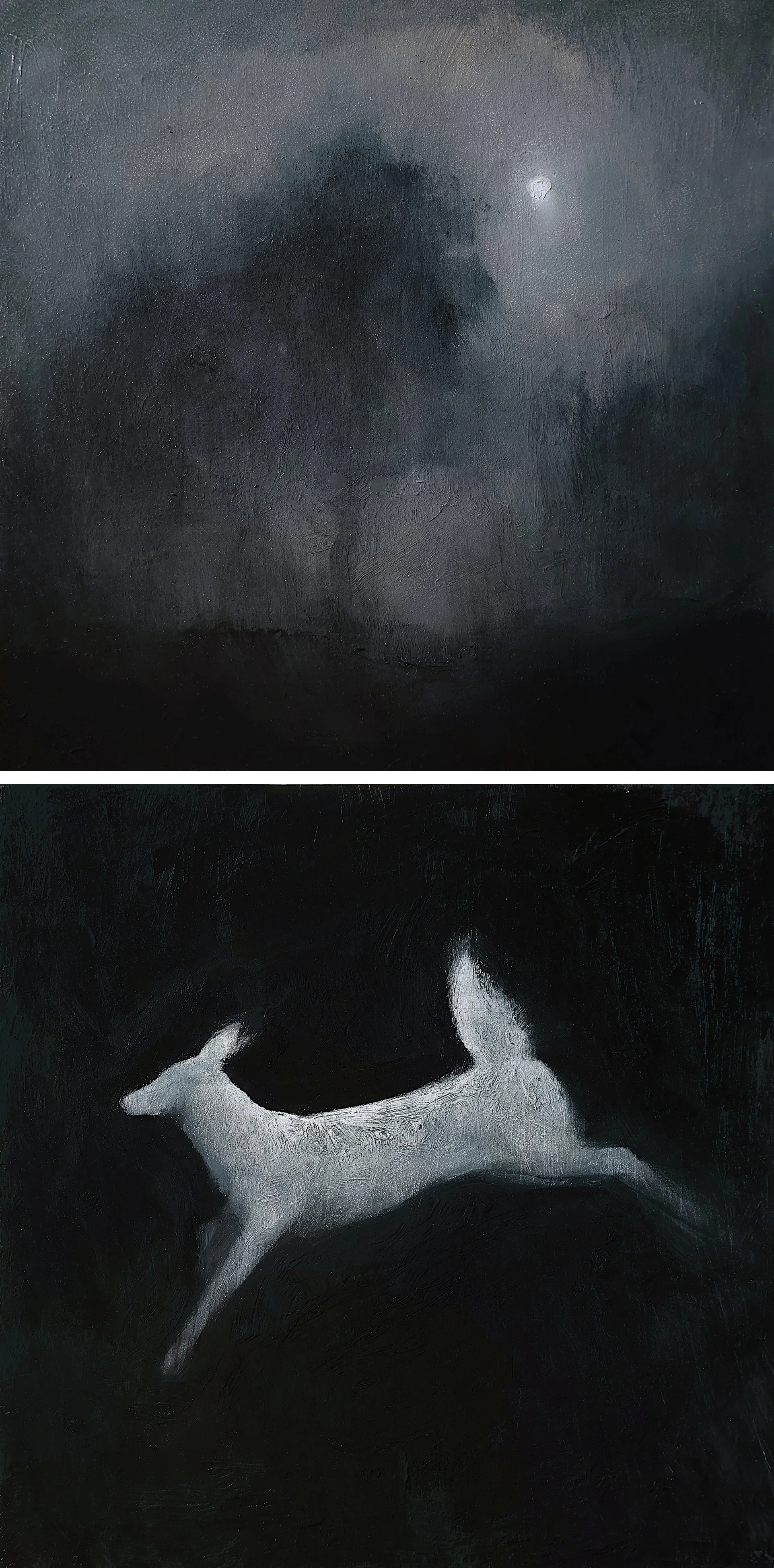
LARISA BRECHUN
NOCTURNALOil on panel16 x 8 inches40.6 x 20.3 centimeters
SOLD
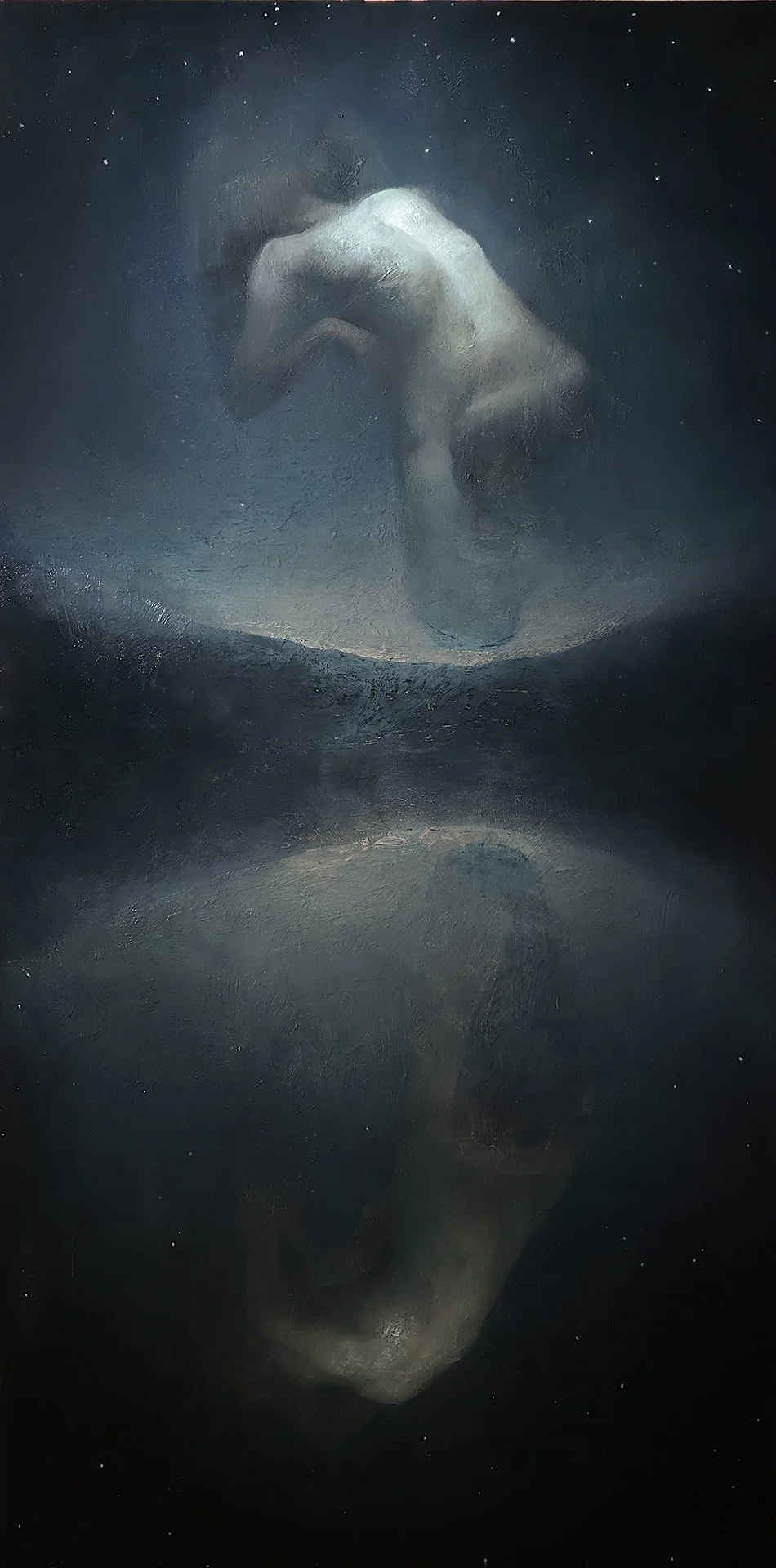
LARISA BRECHUN
GEMINIOil on panel36 x 18 inches91.4 x 45.7 centimeters
$5200BUY →
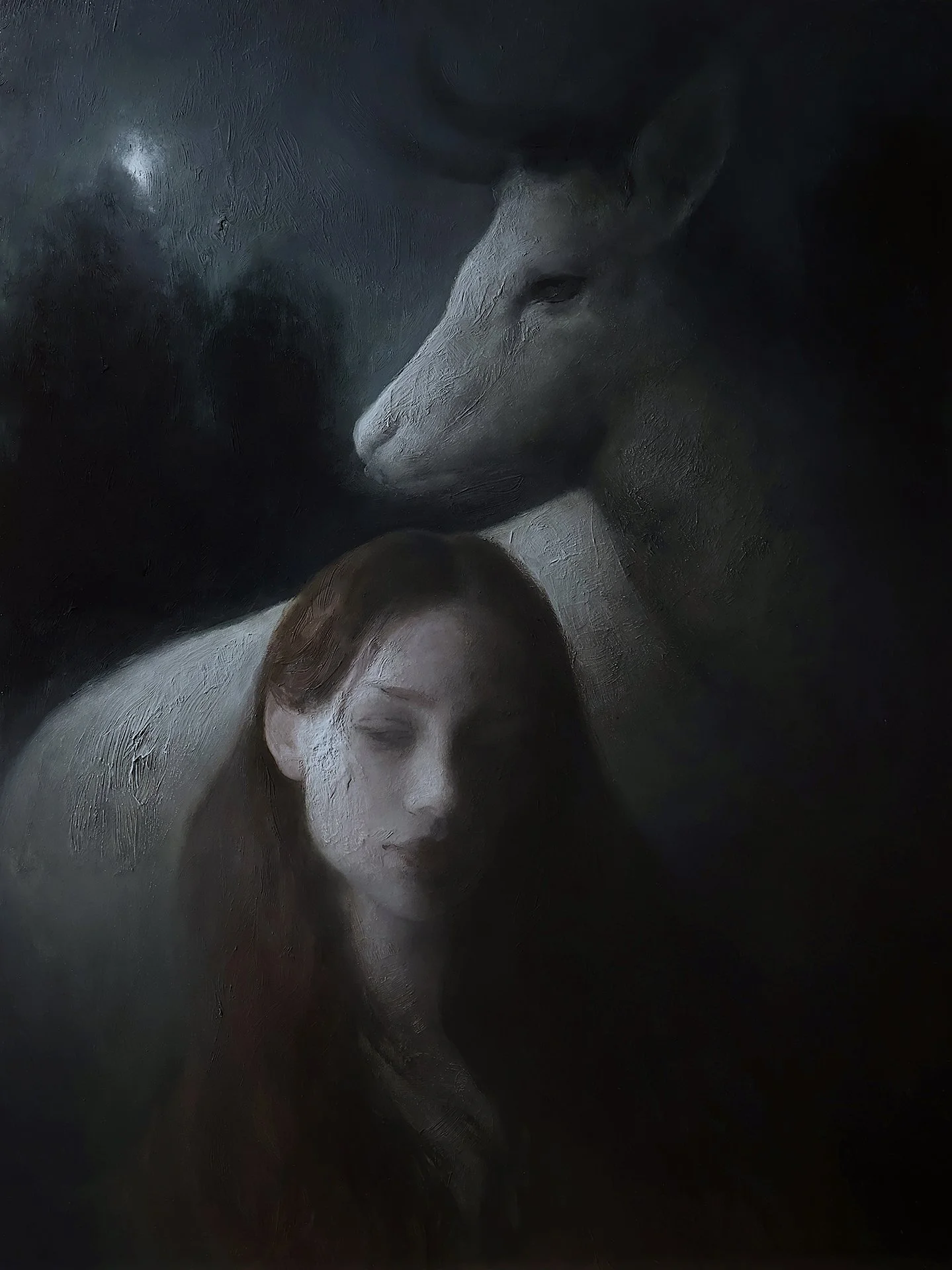
LARISA BRECHUN
GUARDIANOil on panel24 x 18 inches61 x 45.7 centimeters
$4200BUY →
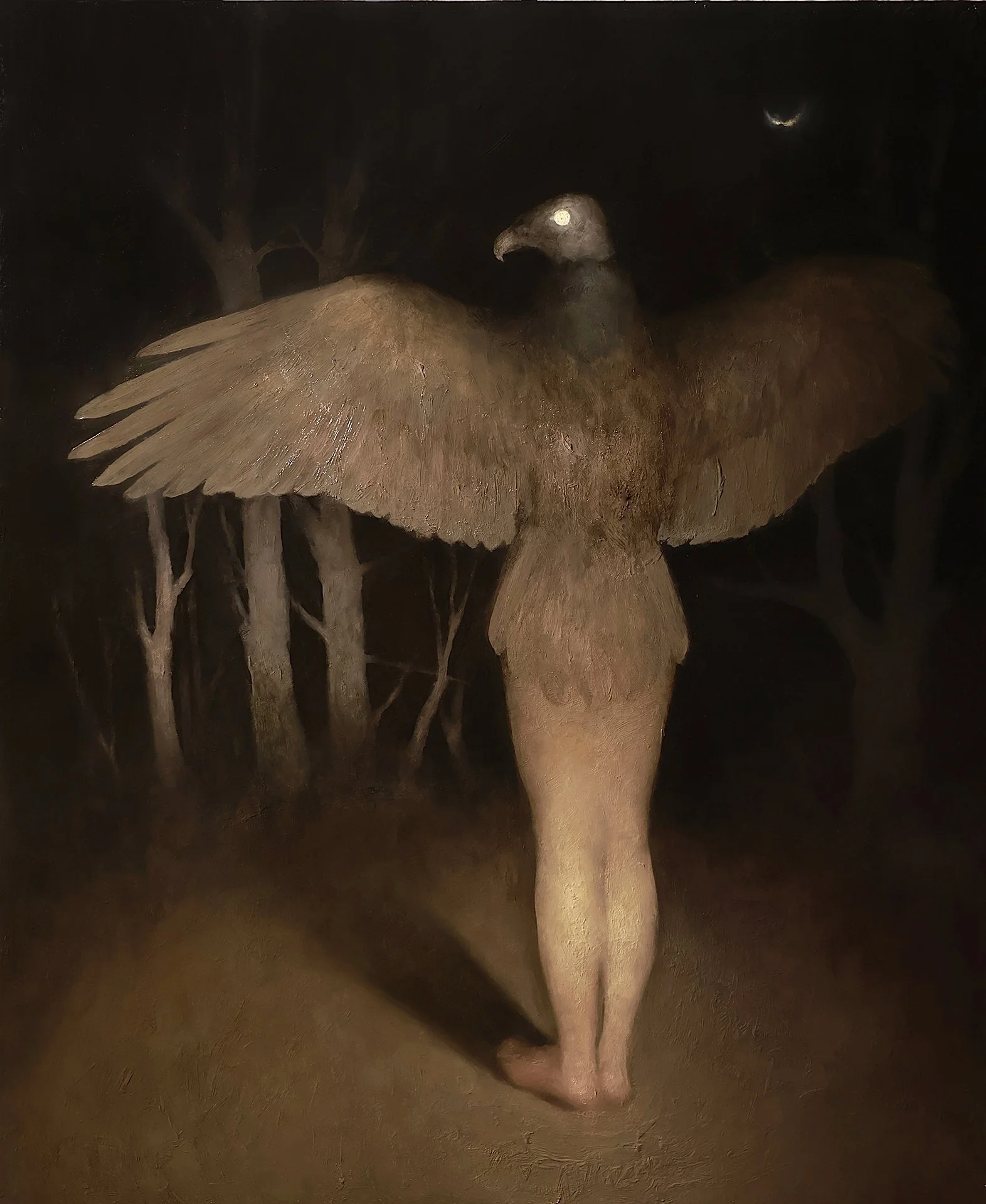
LARISA BRECHUN
OMENOil on panel24 x 20 inches61 x 50.8 centimeters
SOLD
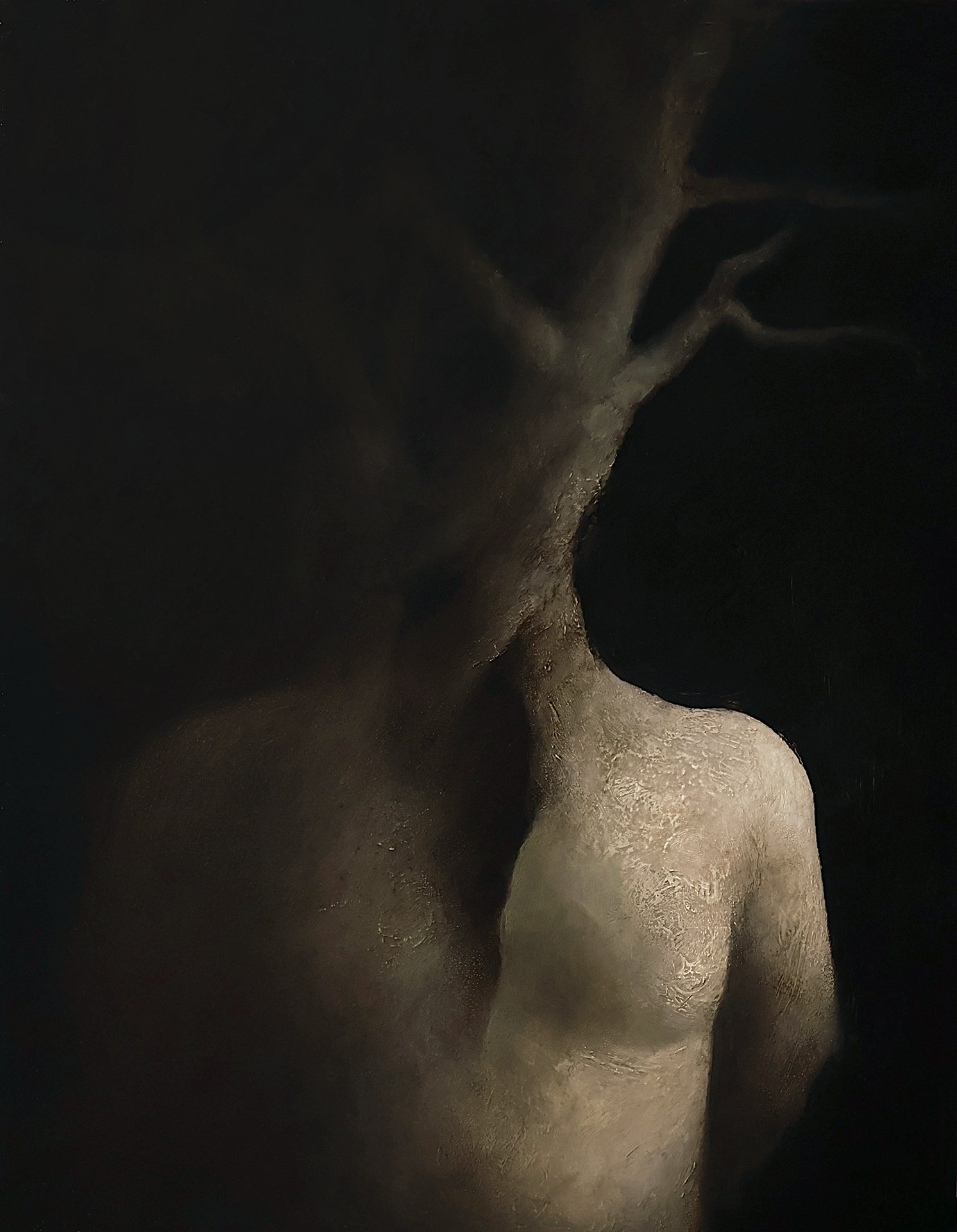
LARISA BRECHUN
HUSKOil on panel14 x 11 inches35.6 x 27.9 centimeters
$1400BUY →
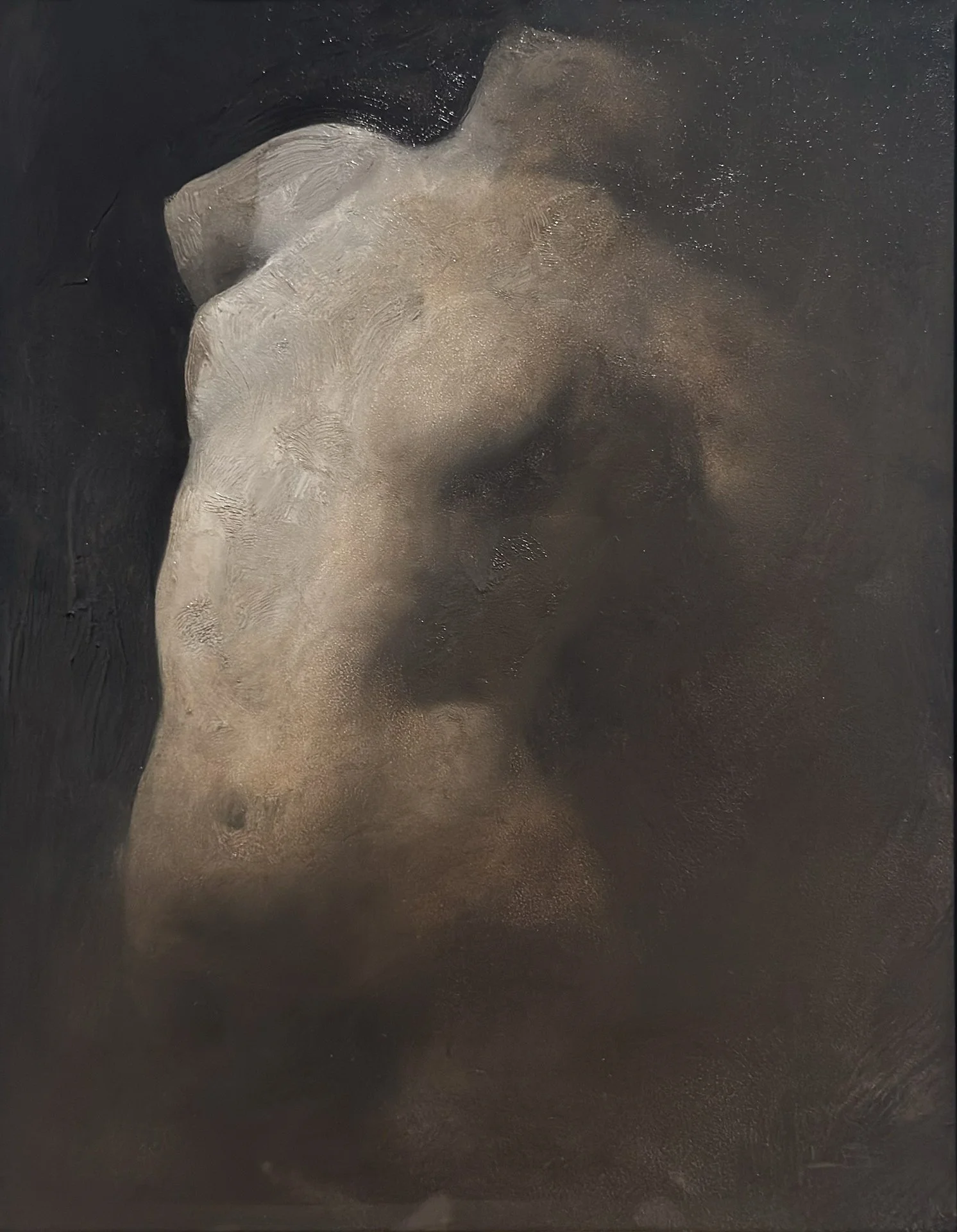
LARISA BRECHUN
TOTEMOil on panel8 x 6 inches20.3 x 15.2 centimeters
SOLD
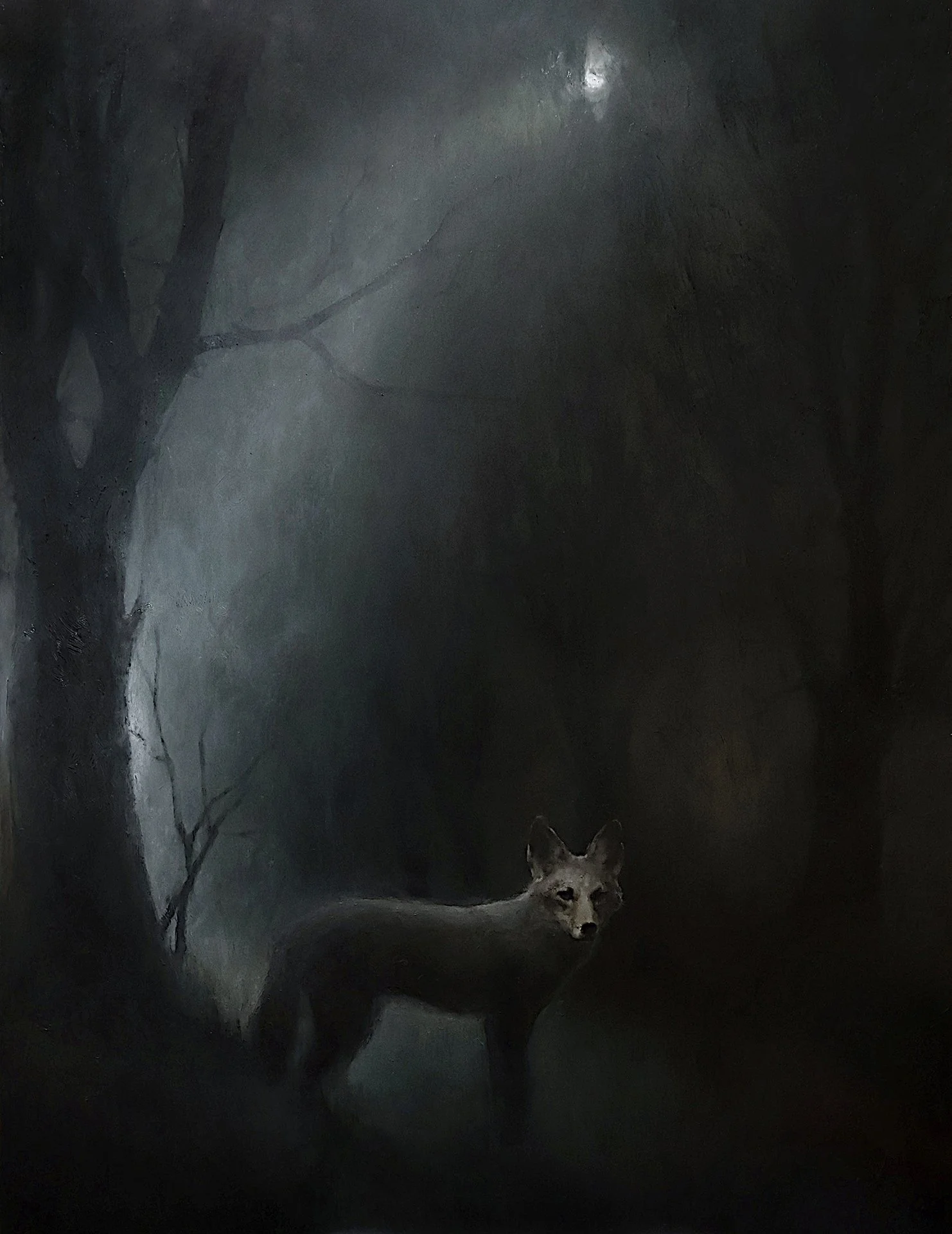
LARISA BRECHUN
STRIDEROil on panel40 x 30 inches101.6 x 76.2 centimeters
$6800BUY →
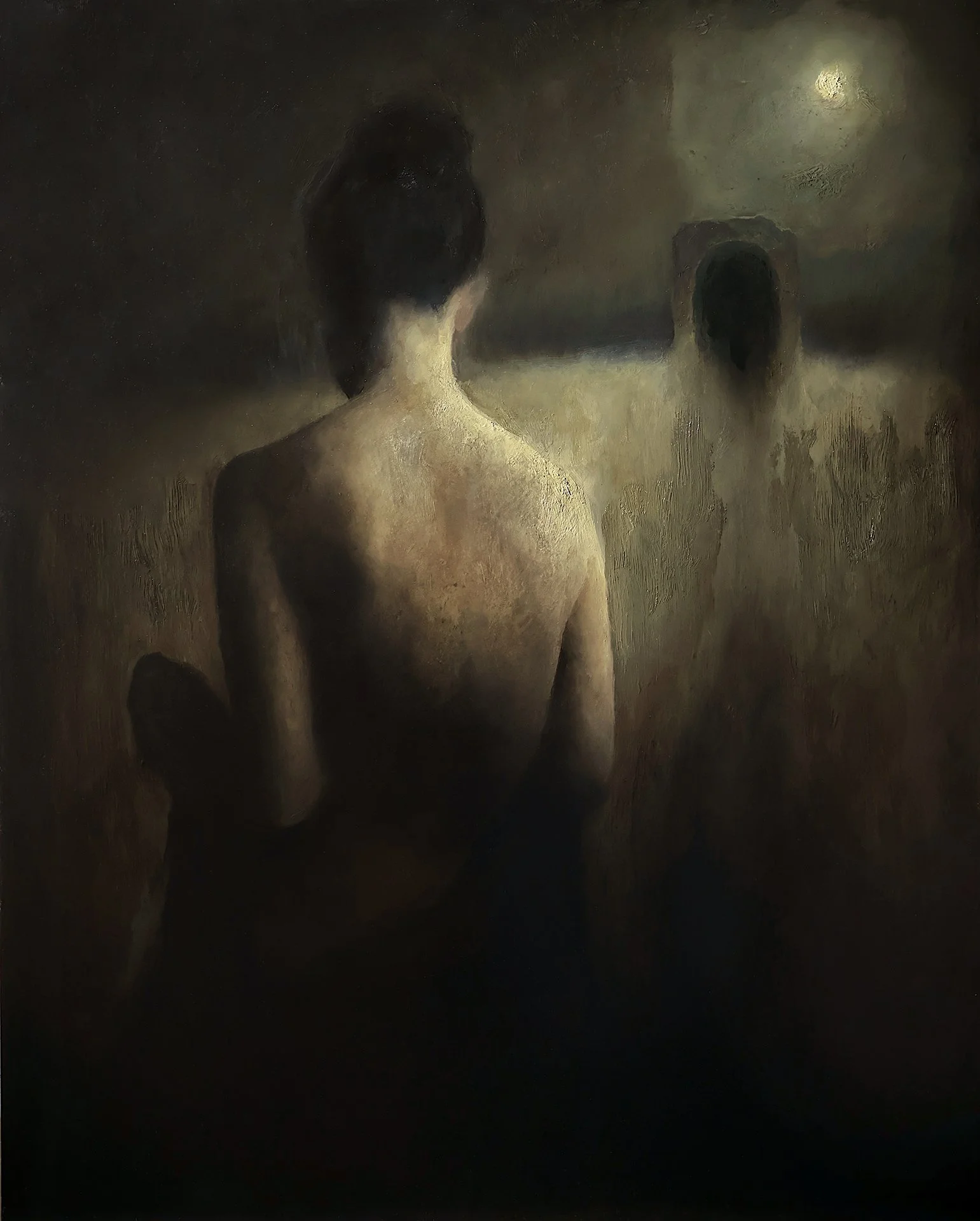
LARISA BRECHUN
PORTALOil on panel20 x 16 inches50.8 x 40.6 centimeters
SOLD
Larisa Brechun (b. 1988) is an artist living and working in a small town north of San Antonio, Texas. She discovered her passion for art early in life and went on to study at the University of Alabama at Birmingham, where she began refining the visual language that defines her work today.