

Dialogues:
David M. Ball & Ilya Shkipin
August 8–September 5 , 2O26
Closing REception September 5, 6-9 PM
Join us for the closing reception of David M. Ball and Ilya Shkipin’s Dialogues for an
evening of exhibition-inspired music from Ilya Shkipin and friends.
The work of David M. Ball begins with a desire to escape what has become familiar. After decades of working with collage, acrylic, and colored pencil, he found that the visual language he had carefully developed had also begun to constrain him. Its fluency became a form of repetition. He needed to find a path where the outcome was once again uncertain.
Ball began using generative image software as a conceptual tool, asking it to bring together artists, movements, bodies, and visual traditions that would rarely occupy the same space. Otto Dix might encounter El Greco; Dada might fracture the composed surfaces of early fashion photography. These collisions rarely produce a finished image. That failure became essential. The process resembled chance, excavation, and argument: countless images generated, rejected, altered, dismantled, and recombined before a viable form began to surface.
Ball gathers these fragments, alters their proportions, replaces faces and limbs, and combines elements from multiple generated images until a composition arrives at its own internal necessity. The resulting digital collage is then printed, enlarged, and translated by hand into oil on wood panel. Through paint, the image leaves the frictionless space of the screen and enters the resistant world of surface, pigment, scale, and touch.
Here, technology functions as a destabilizing instrument, a way of moving beyond certainty. The final paintings remain entirely handmade, shaped by judgment, revision, and the resistance of surface. They arise from a productive tension between the generated, the chosen, the inherited, the invented; a collision of control and accident.
Ball’s practice is sustained by the belief that an artist must remain vulnerable to transformation. The work moves forward by refusing the comforts of repetition, arriving instead at images that feel unfamiliar even to their maker. Surprise becomes more than an aesthetic effect: it becomes a form of necessity, a way of keeping perception alive.
Ilya Shkipin paints people and places that seem familiar yet remain just beyond reach. His work often begins with photographs, digital collages, or, in recent years, AI-generated references. Yet technology is neither the subject nor the destination. By the time an image reaches the canvas, its original source has begun to dissolve.
What matters to Shkipin is what survives translation: a gesture, an atmosphere, the uneasy recognition of something half-remembered. Through paint, he slows the image down, interrupting its apparent certainty until it becomes unstable again. Faces soften, spaces shift, and the familiar begins to loosen from itself.
The resulting paintings occupy an unsettled territory between image and memory. They feel known without becoming fully legible and intimate without offering possession. In this suspension, perception becomes active. The viewer is asked to remain with what cannot be immediately named.
Shkipin’s paintings suggest that memory is less an archive than a living material—fragile, mutable, and continually remade. Paint gives these unstable images weight and duration while preserving their distance. They remain present, yet slightly beyond explanation.
Together, the paintings of Ball and Shkipin occupy a fragile interval between recognition and estrangement. Ball builds outward, gathering figures, histories, costumes, and visual languages into crowded worlds where identity appears assembled, ceremonial, and continually revised. Shkipin moves inward, dissolving bodies and rooms through smears, veils, and ruptures of paint until intimacy itself becomes uncertain. One multiplies the image; the other erodes it. Yet both arrive at the same threshold, where a face can no longer be taken for granted and the human figure becomes a site of longing and transformation.
These works ask what remains after an image has passed through machines memory, history, and the artist’s hand. The answer is neither certainty nor resolution. It is presence—fractured, strange, and still capable of recognition.
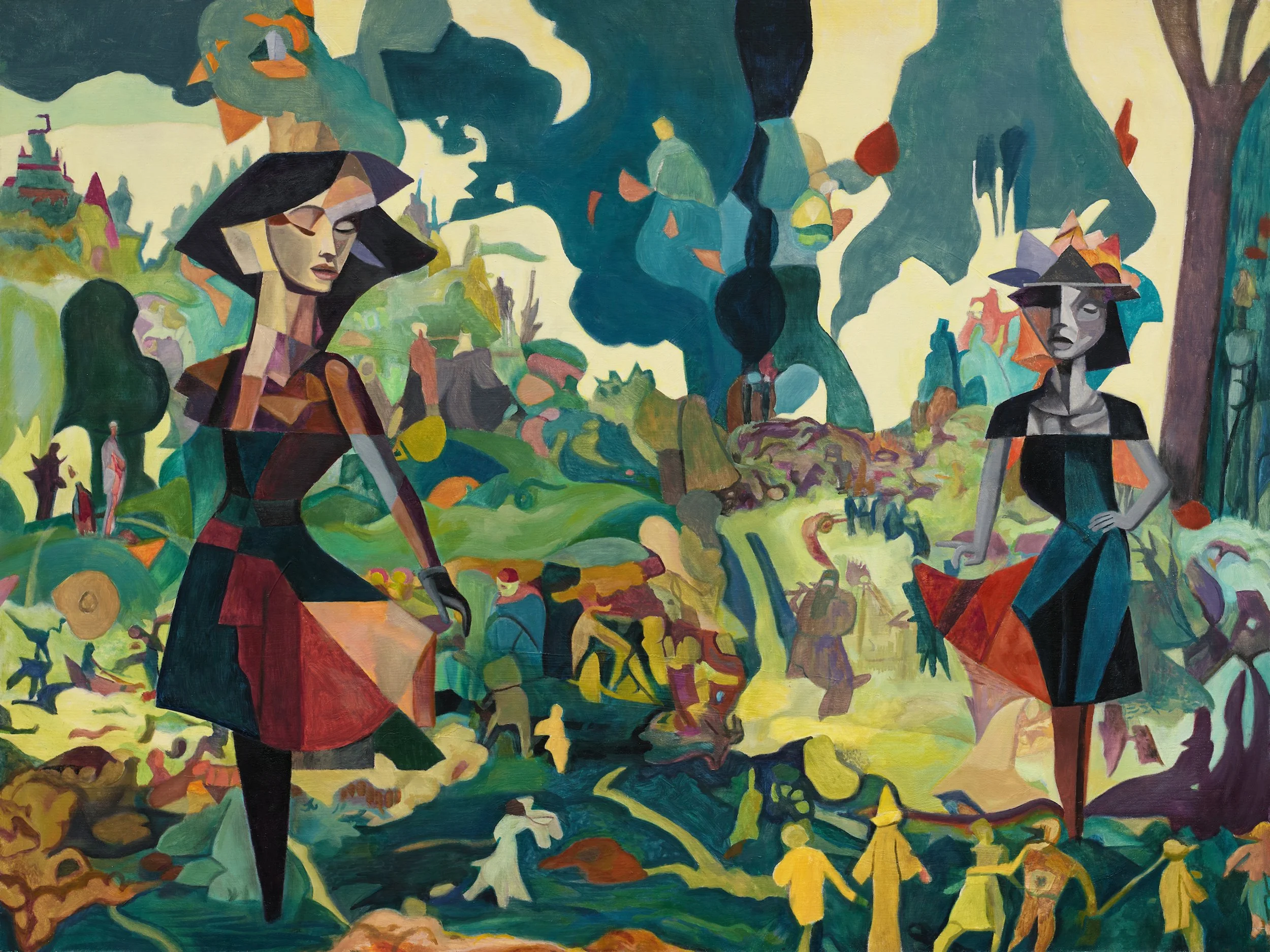
DAVID M. BALL
EXCURSIONOil on Birch Panel30 x 40 inches76.2 × 101.6 centimeters
$4000INQUIRE →
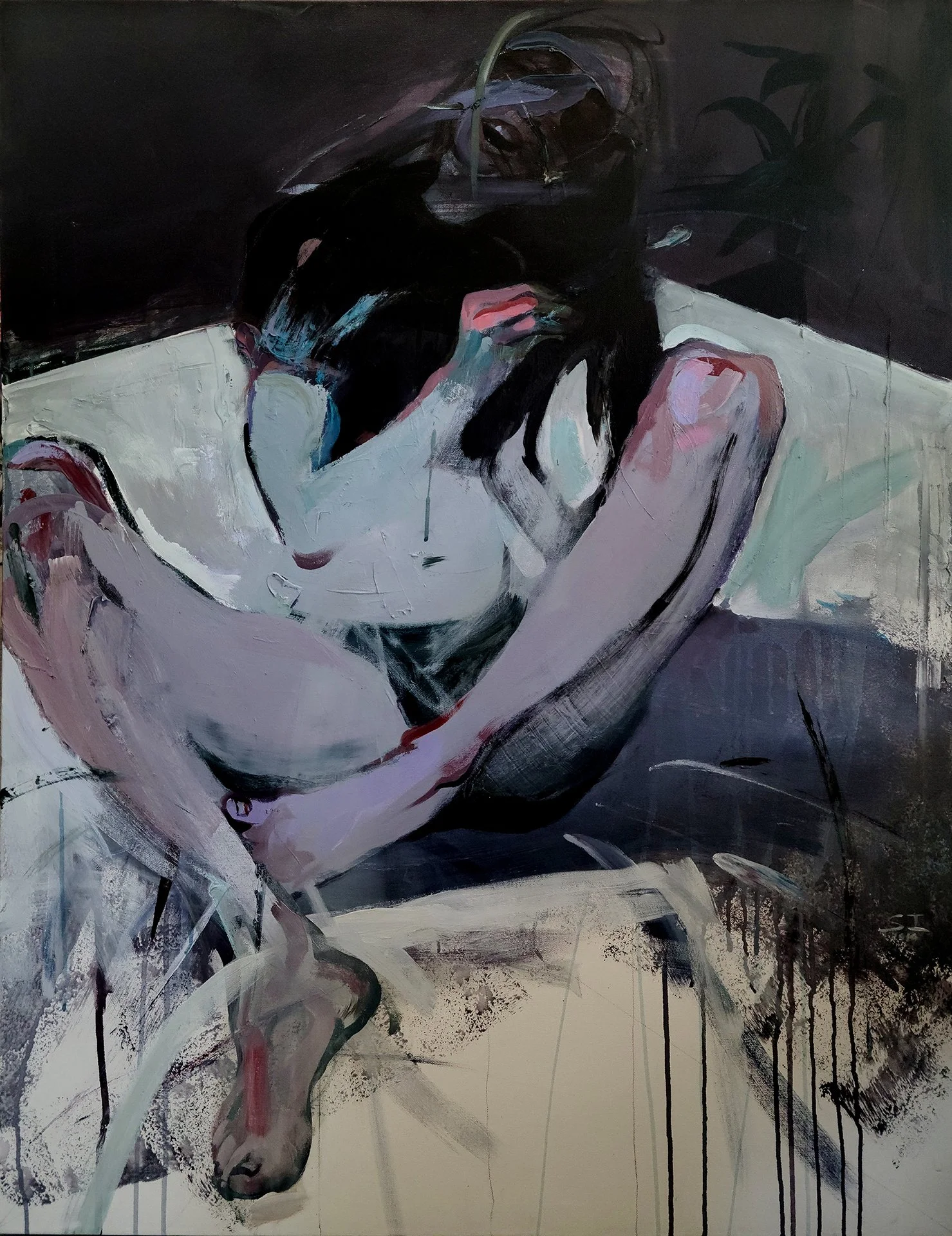
ILYA SHKIPIN
I BURNED YOUR CLOTHESOil on canvas48 x 36 inches116.8 × 91.4 centimeters
$3200INQUIRE →
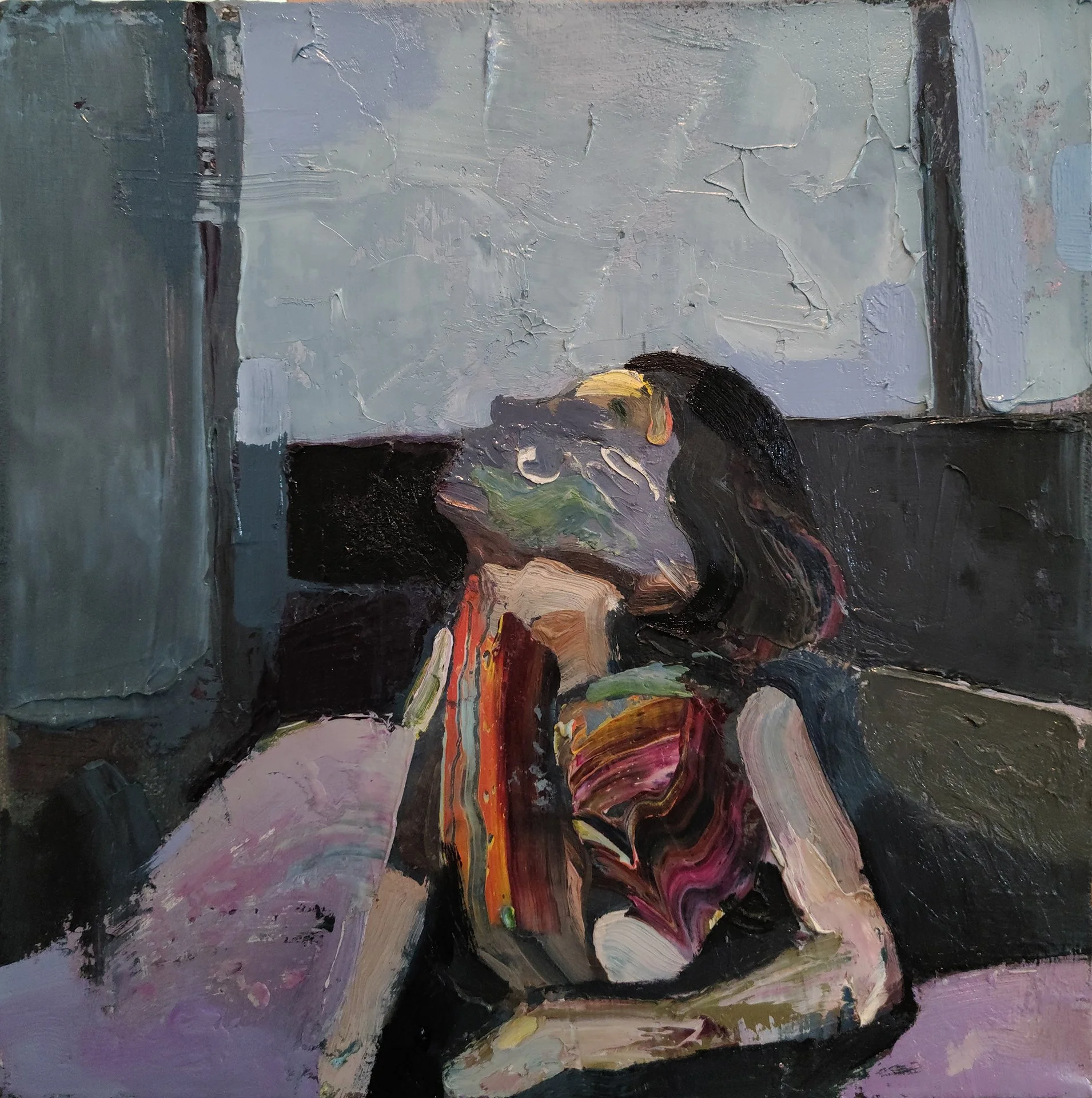
ILYA SHKIPIN
WEIGHTOil on canvas10 x 10 inches25.4 × 25.4 centimeters
$550INQUIRE →

DAVID M. BALL
STAGOil on Birch Panel30 x 40 inches76.2 × 101.6 centimeters
$4000INQUIRE →
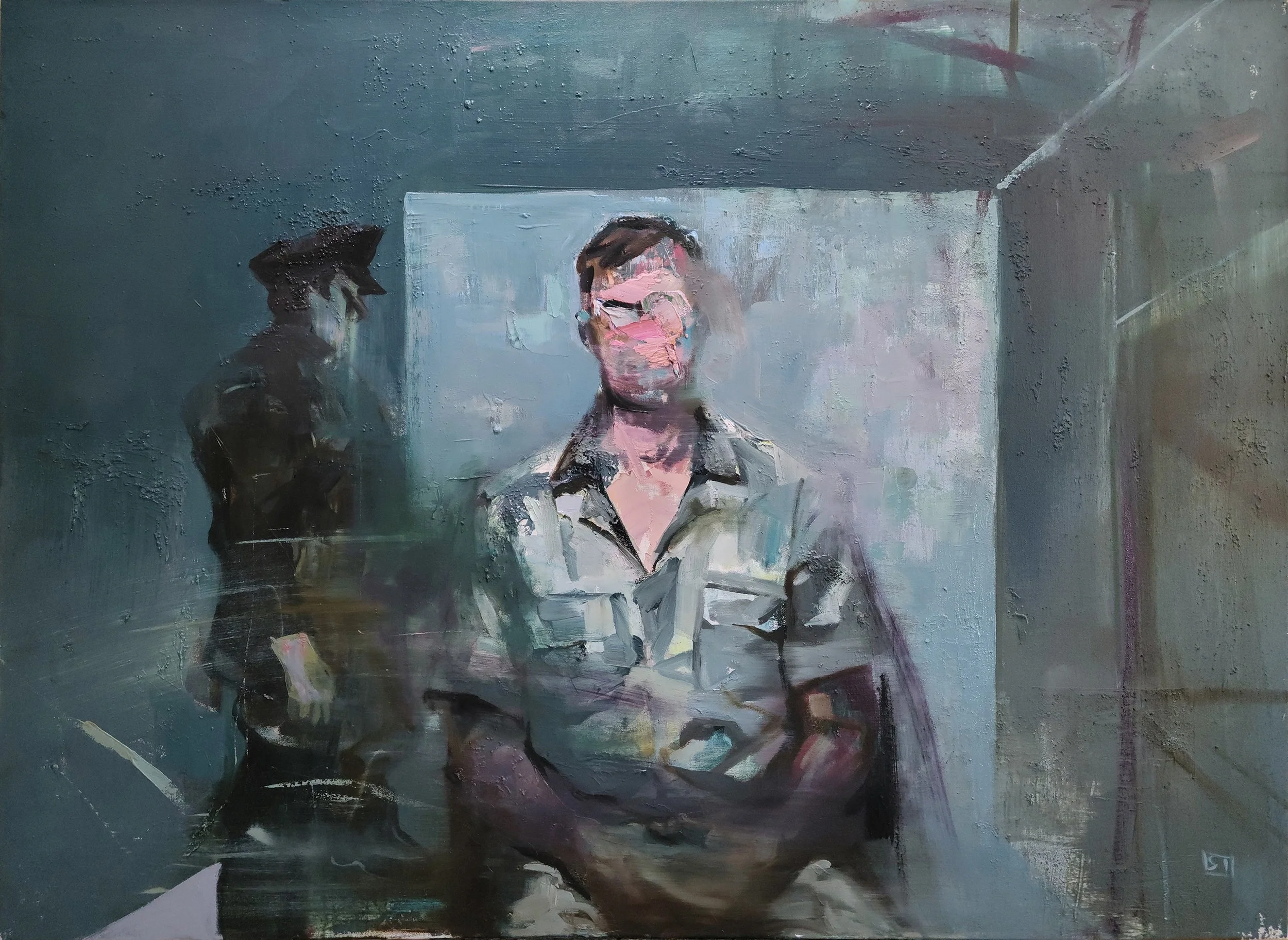
ILYA SHKIPIN
WITNESSOil on canvas36 x 46 inches91.4 × 116.8 centimeters
$3000INQUIRE →
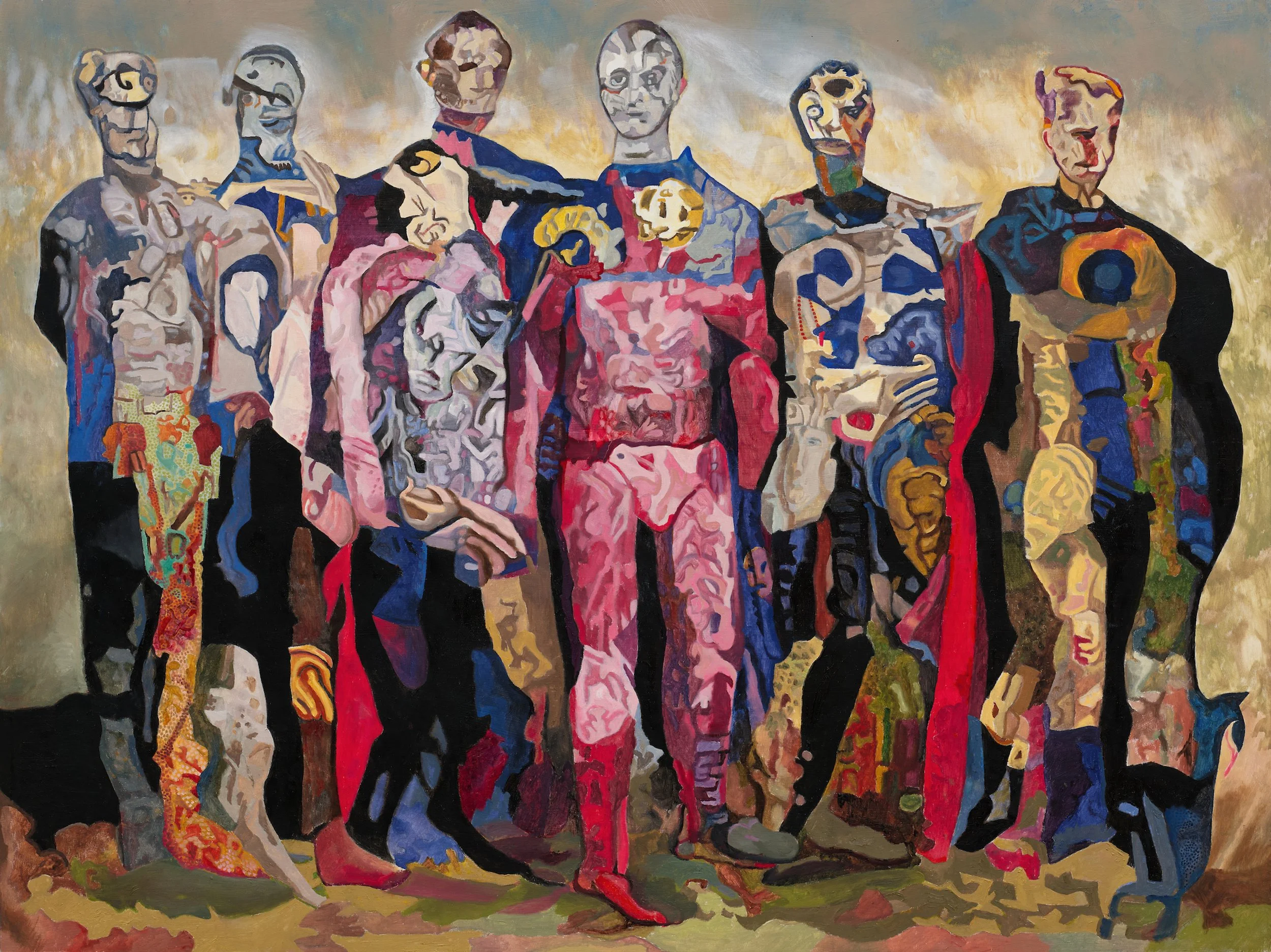
DAVID M. BALL
SEXTETOil on Birch Panel30 x 40 inches76.2 × 101.6 centimeters
$3600INQUIRE →

ILYA SHKIPIN
FIGURE IN A YELLOW MASKOil on canvas24 x 18 inches76.2 × 45.7 centimeters
$1050INQUIRE →
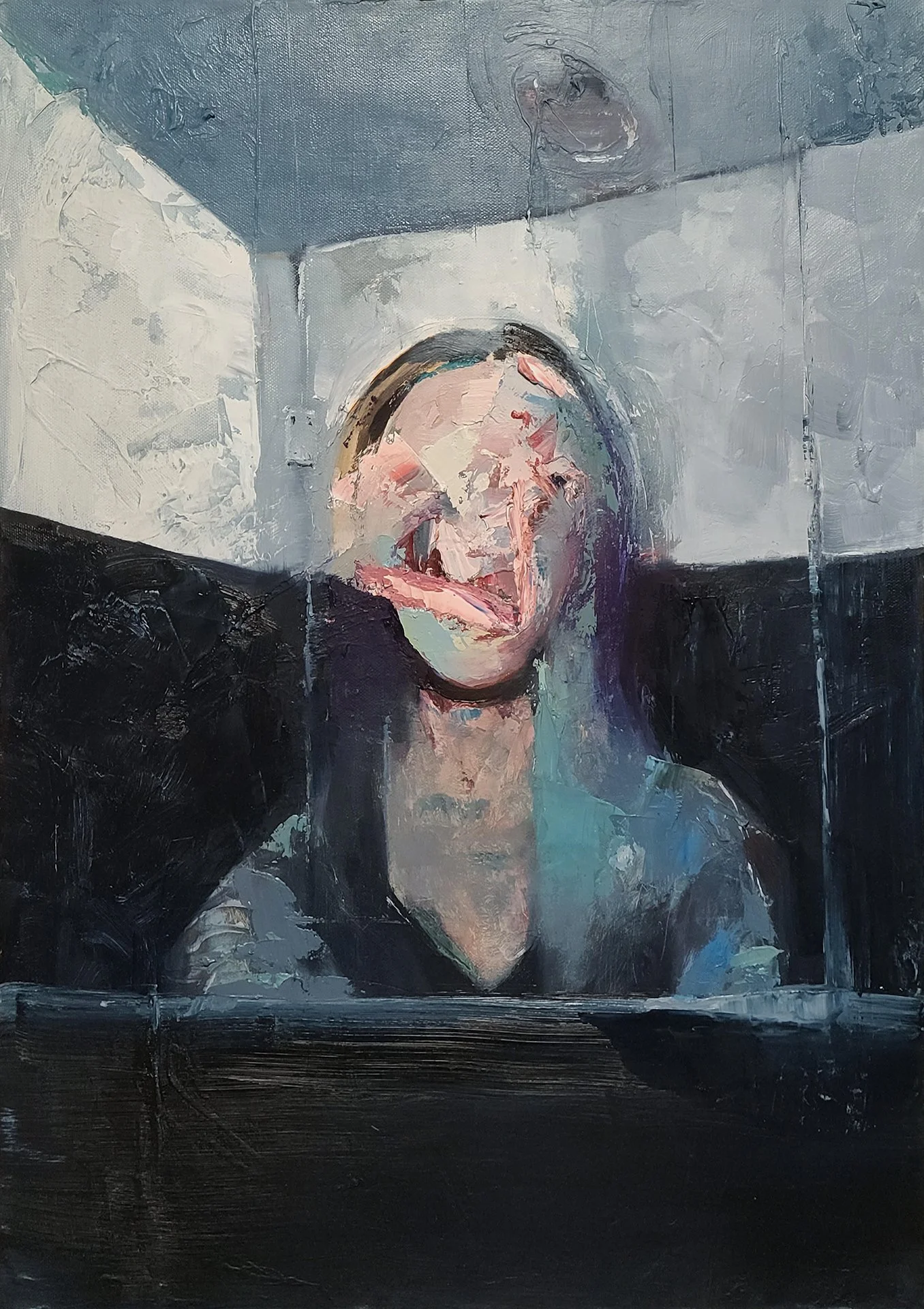
ILYA SHKIPIN
CELLOil on canvas24 x 18 inches76.2 × 45.7 centimeters
SOLD
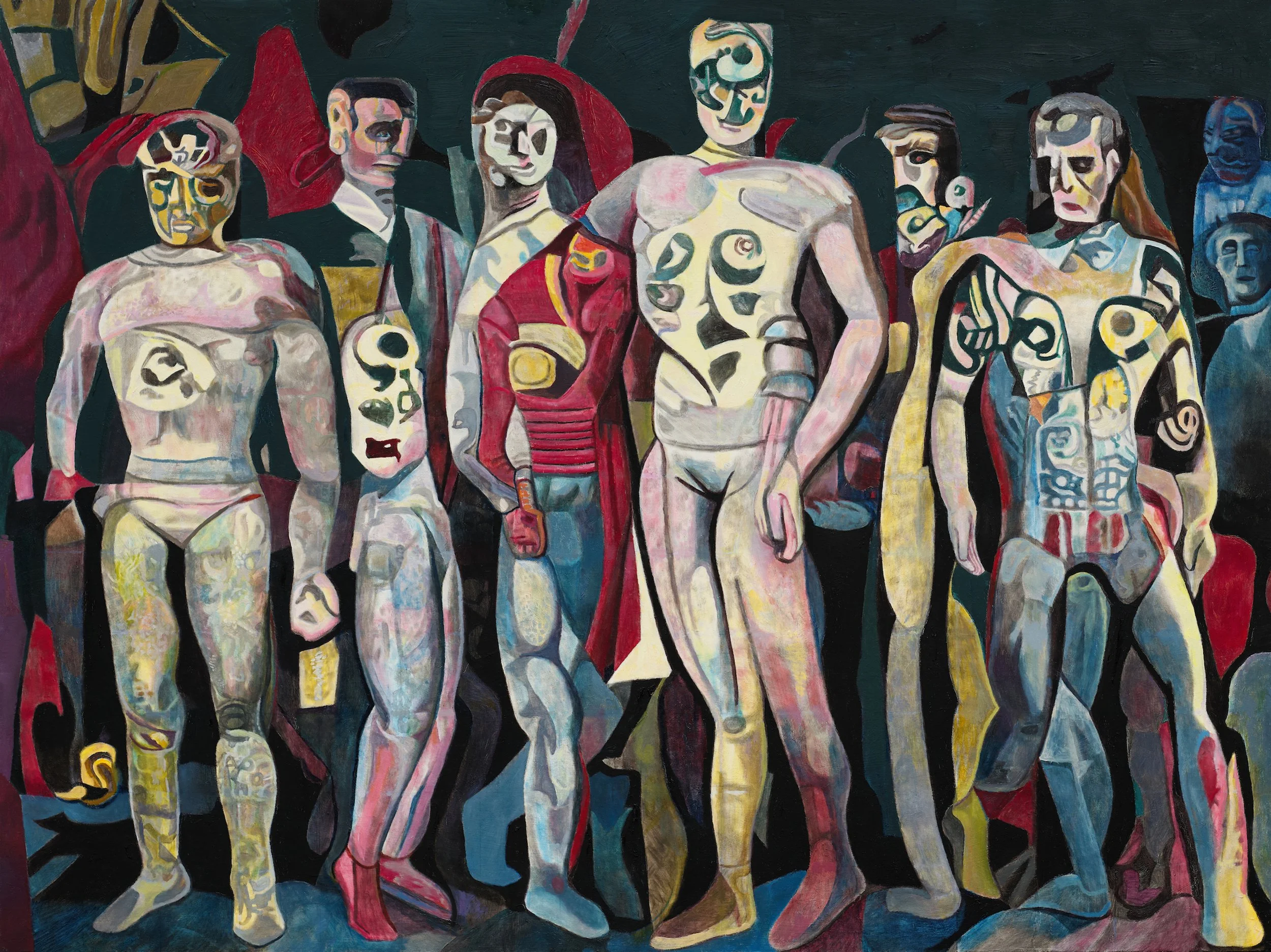
DAVID M. BALL
HAIL AND FAREWELLOil on Birch Panel30 x 40 inches76.2 × 101.6 centimeters
$3600INQUIRE →
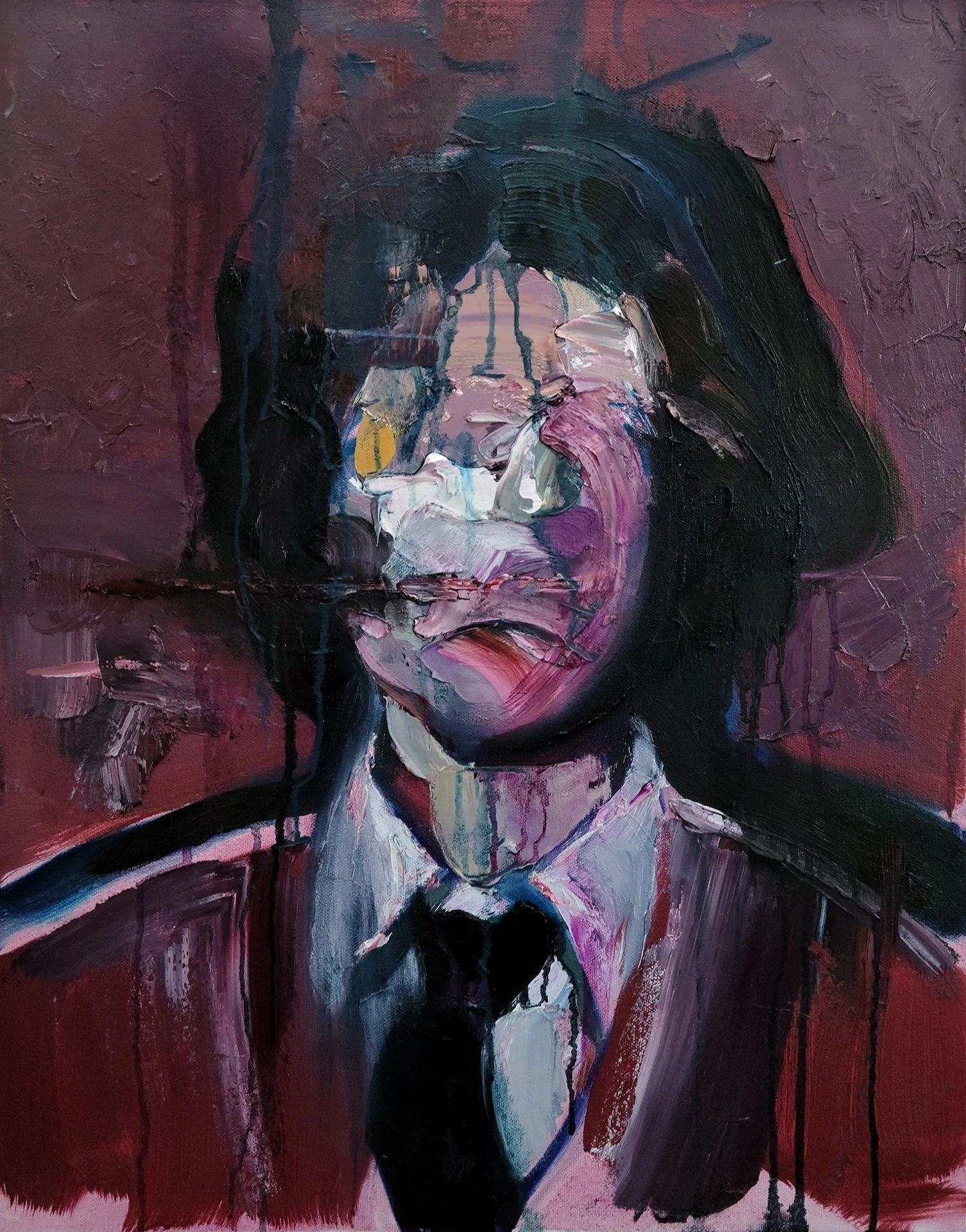
ILYA SHKIPIN
YEARBOOKOil on canvas24 x 18 inches61 × 45.7 centimeters
$1150INQUIRE →
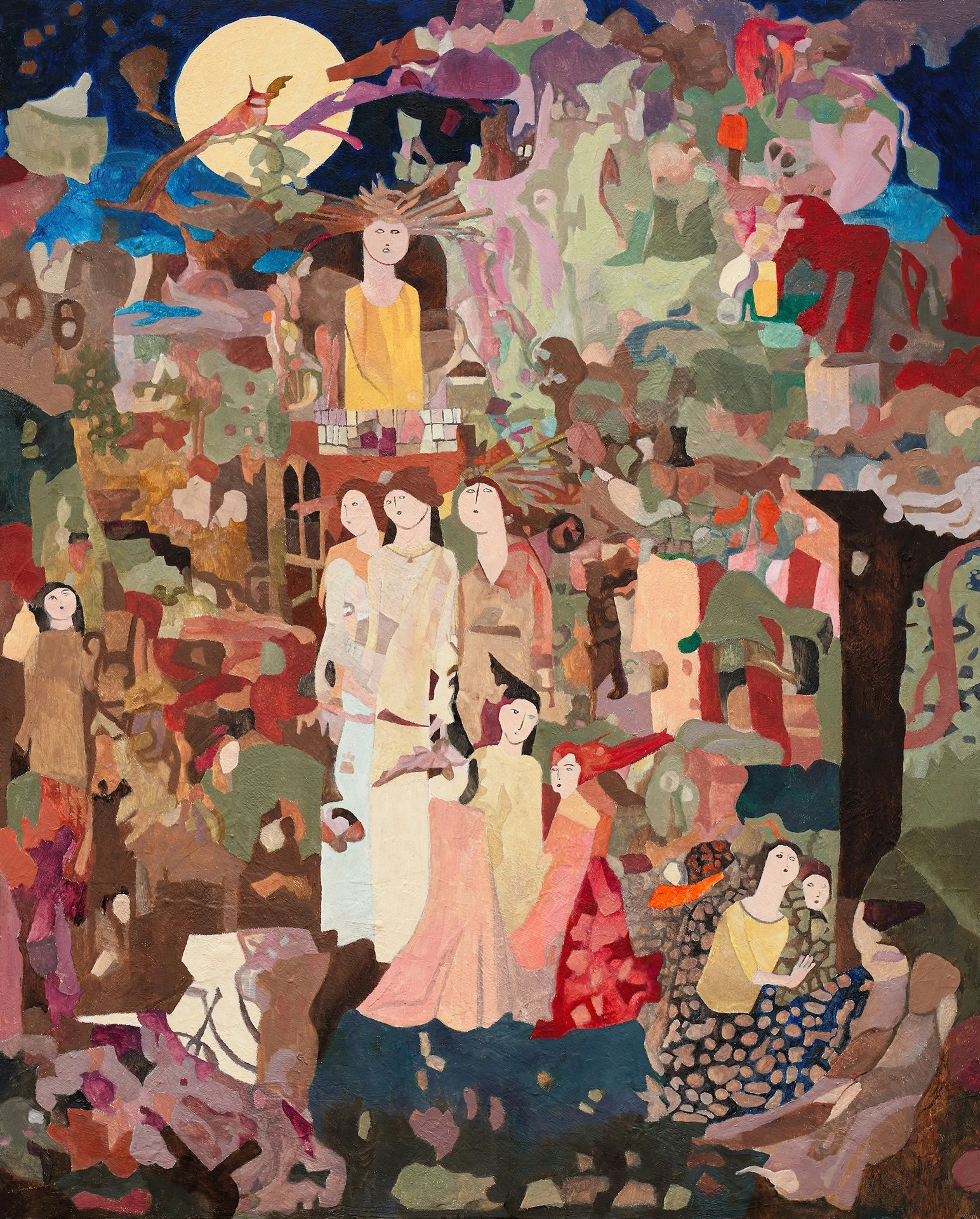
DAVID M. BALL
GATHERINGOil on Birch Panel30 x 24 inches76.2 × 61 centimeters
$1900INQUIRE →
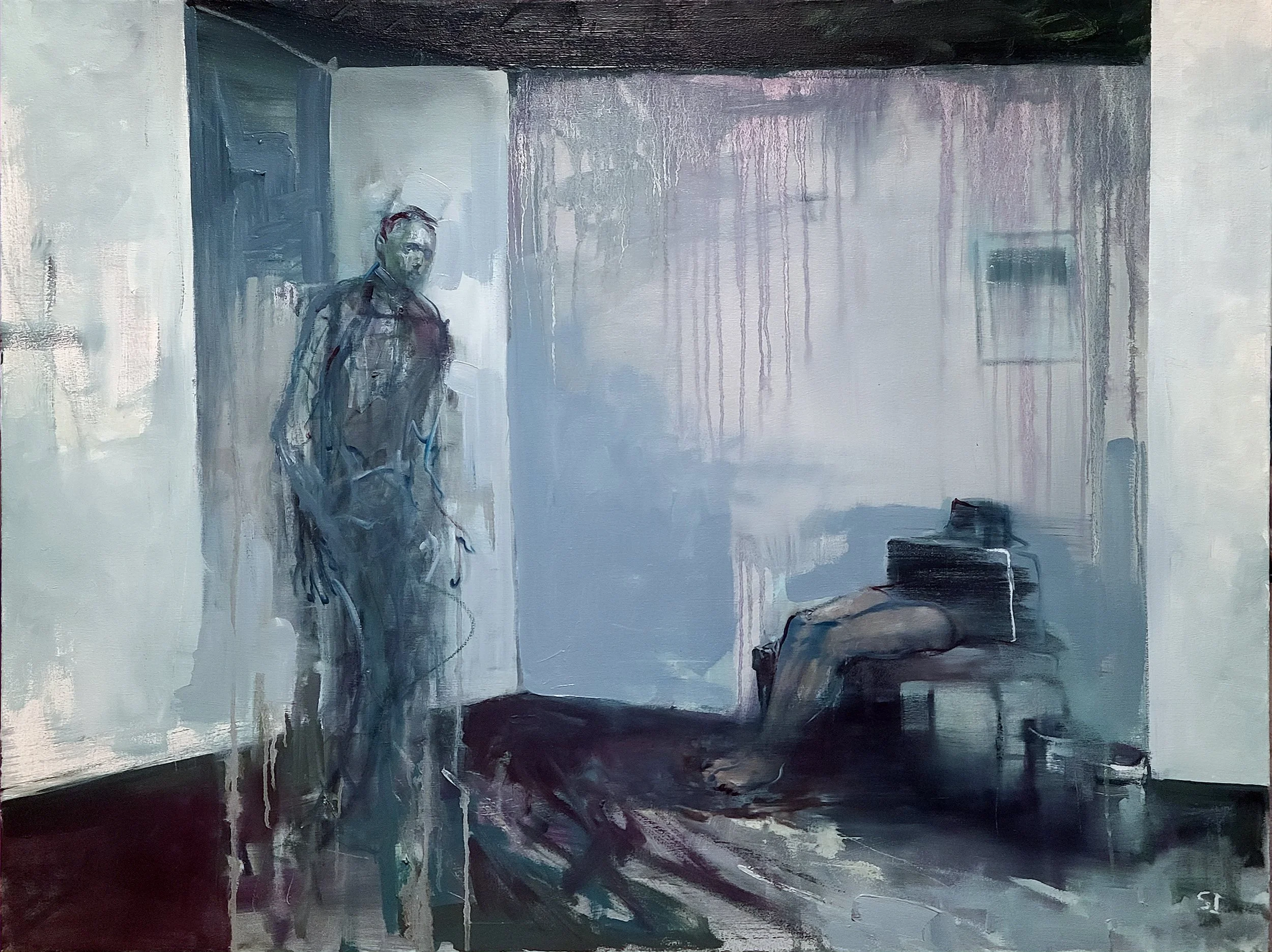
ILYA SHKIPIN
GHOSTOil on canvas36 x 46 inches91.4 × 116.8 centimeters
$3100INQUIRE →
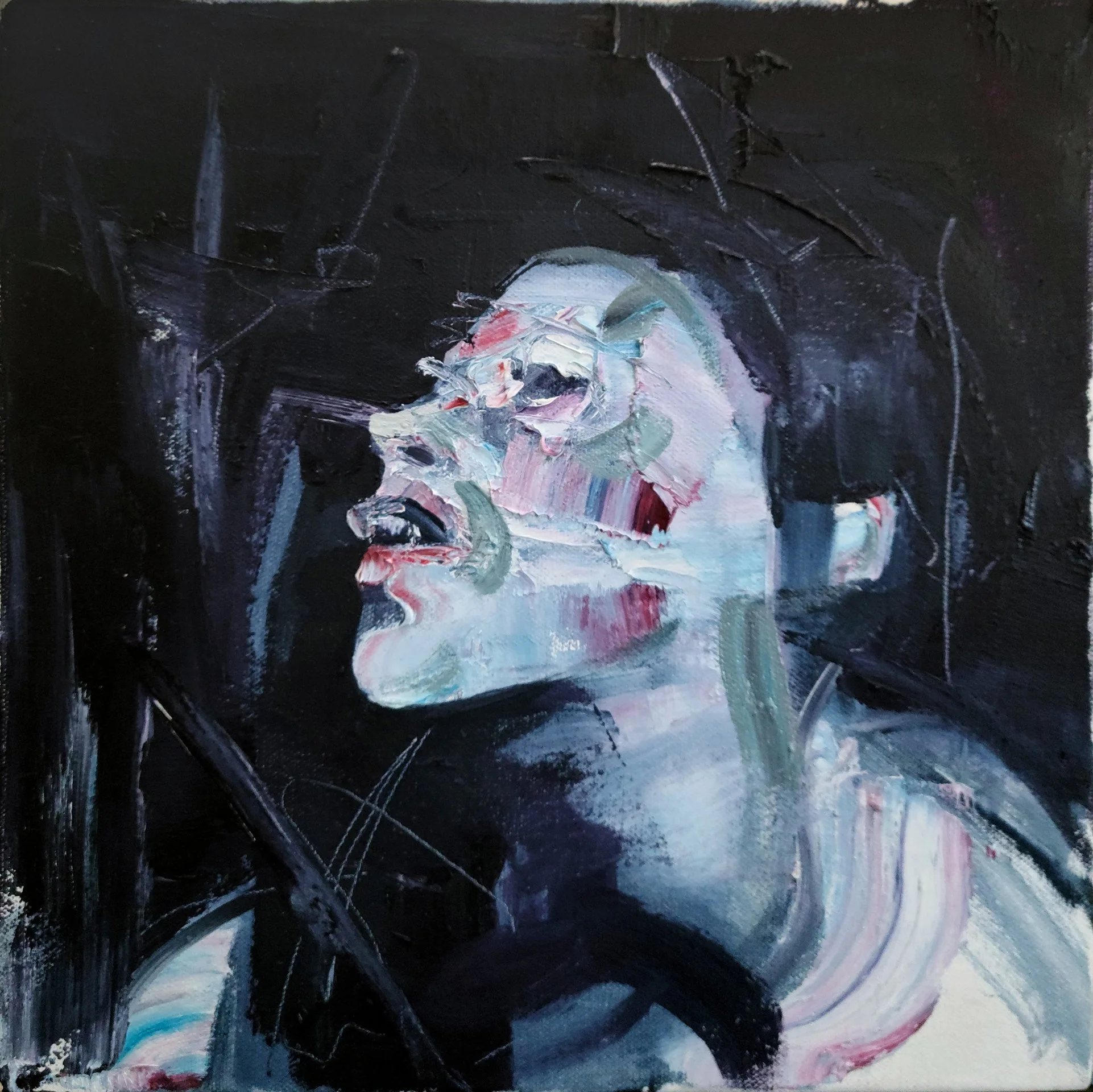
ILYA SHKIPIN
FORESTOil on canvas12 x 12 inches30.5 × 30.5 centimeters
$650INQUIRE →
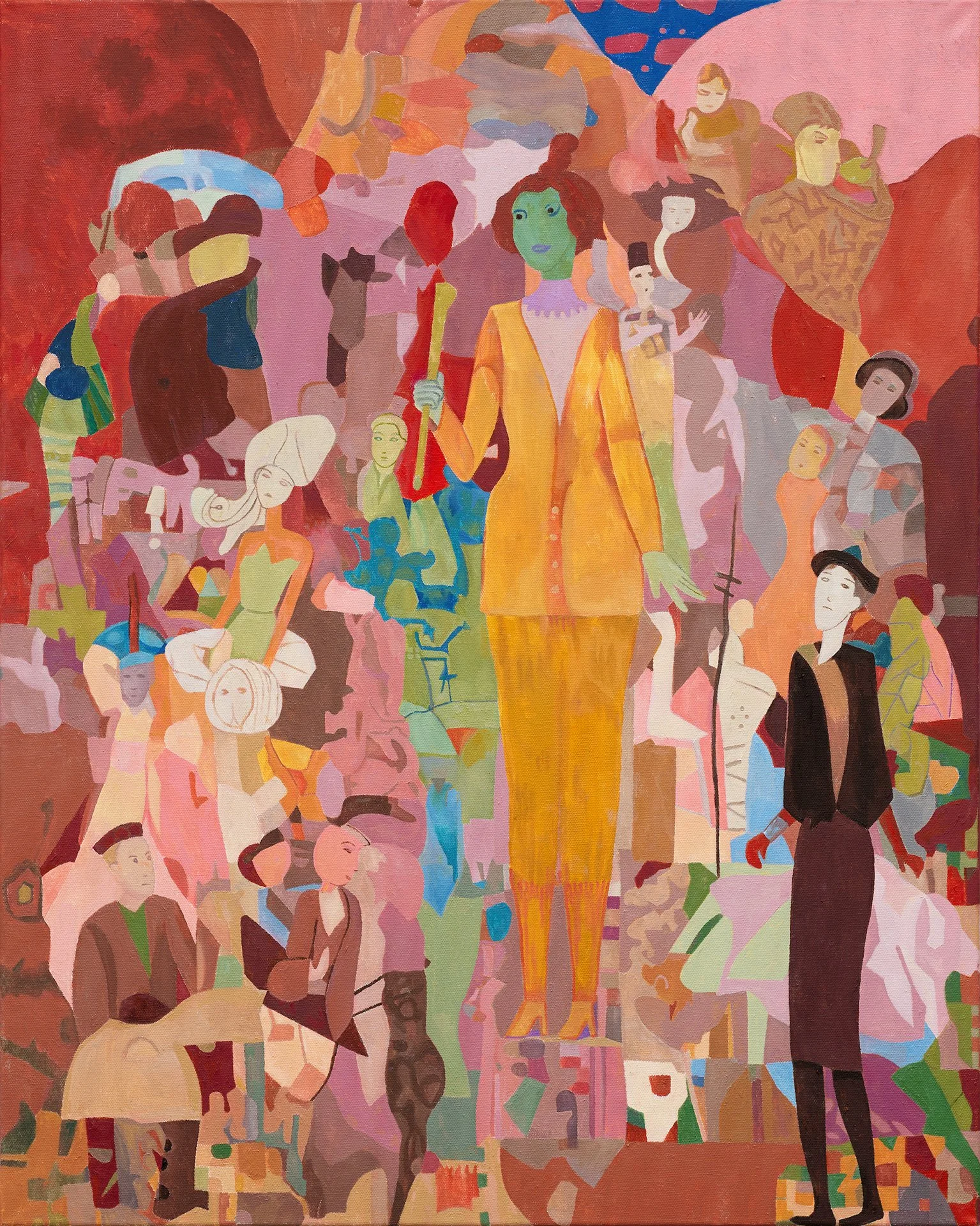
DAVID M. BALL
MASKEDOil on Birch Panel30 x 24 inches76.2 × 61 centimeters
$1900INQUIRE →
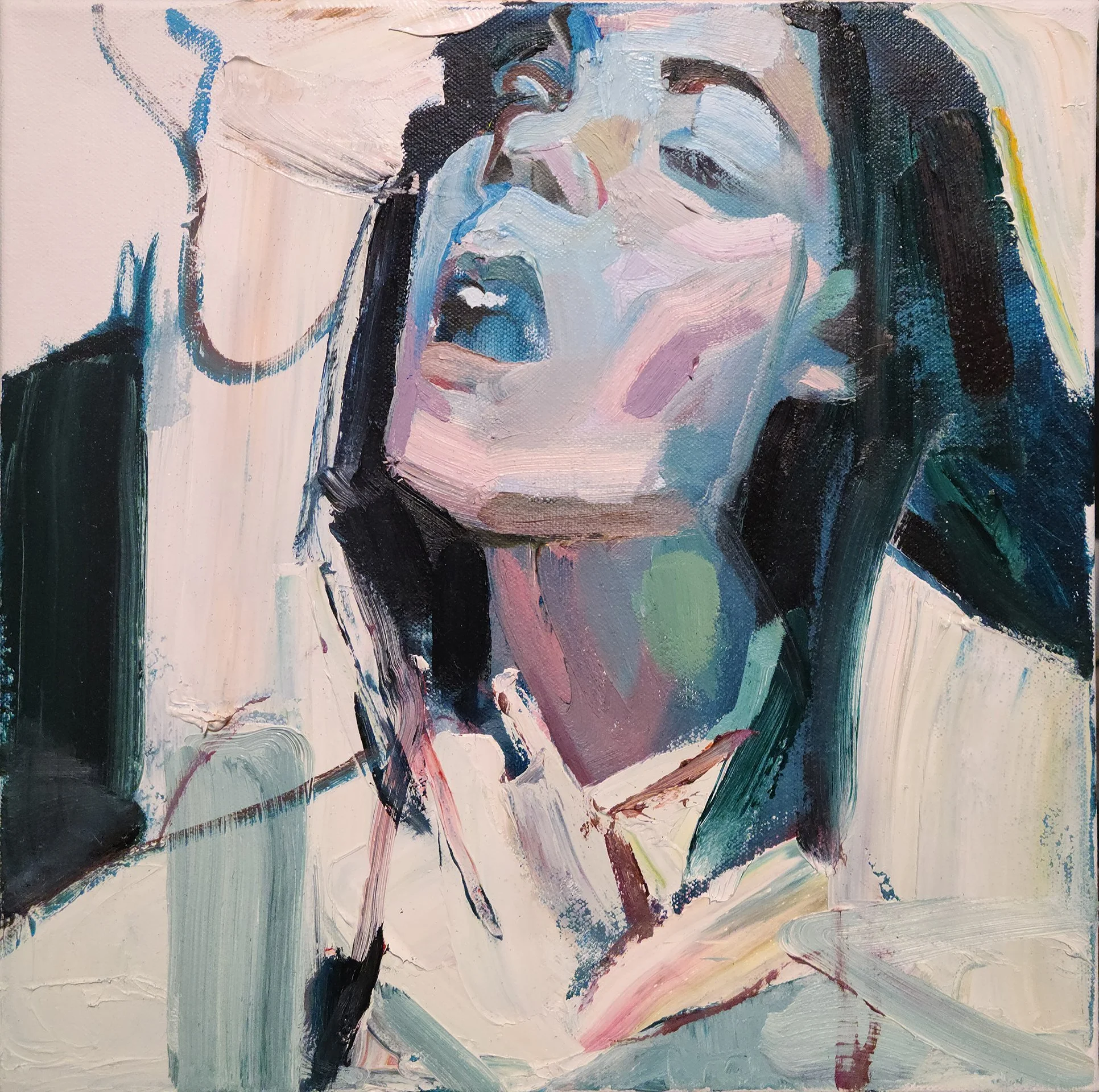
ILYA SHKIPIN
CLOSED EYESOil on canvas12 x 12 inches30.5 × 30.5 centimeters
RESERVED
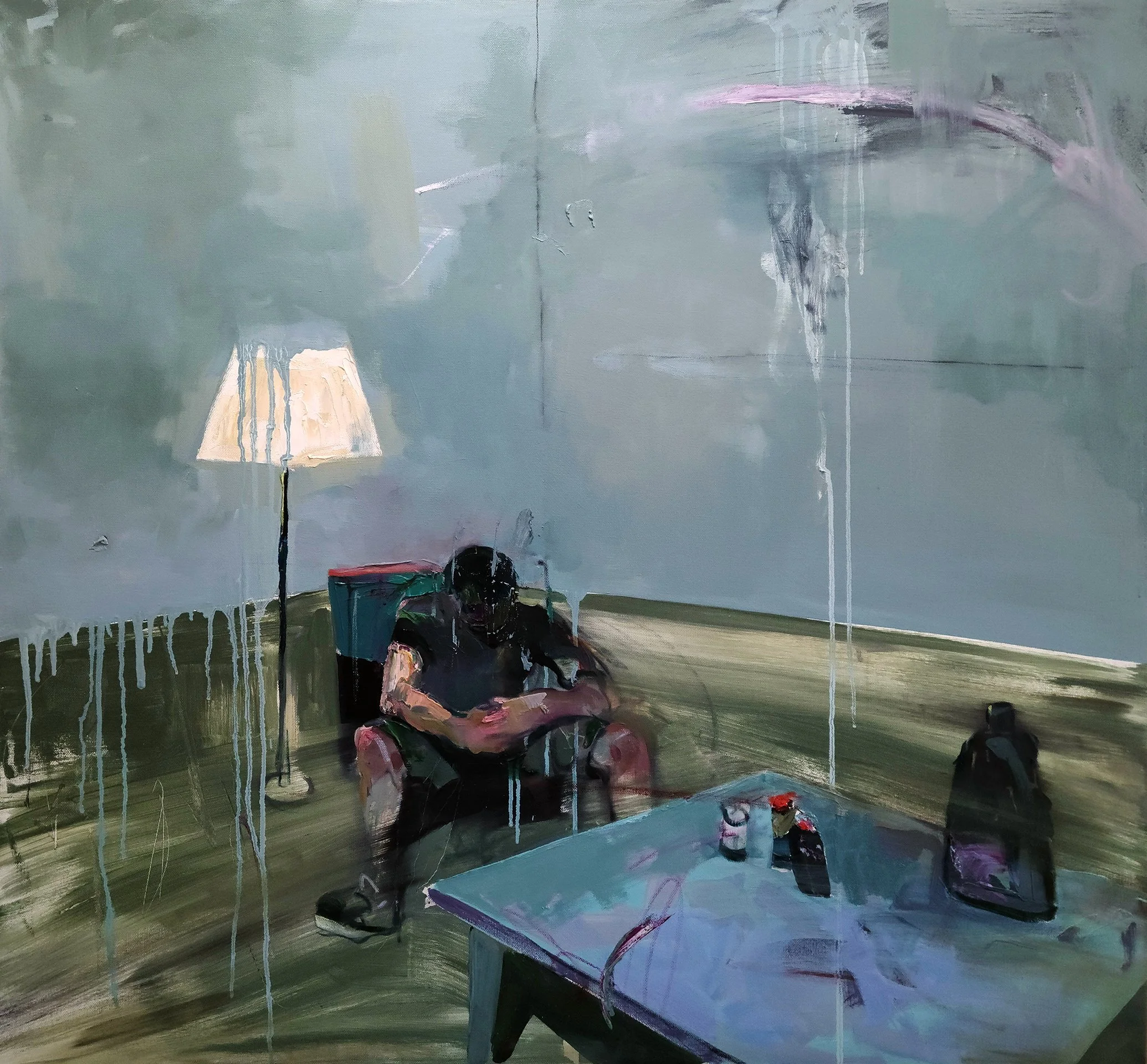
ILYA SHKIPIN
WAITING ROOMOil on canvas36 x 36 inches91.4 × 91.4 centimeters
$2450INQUIRE →
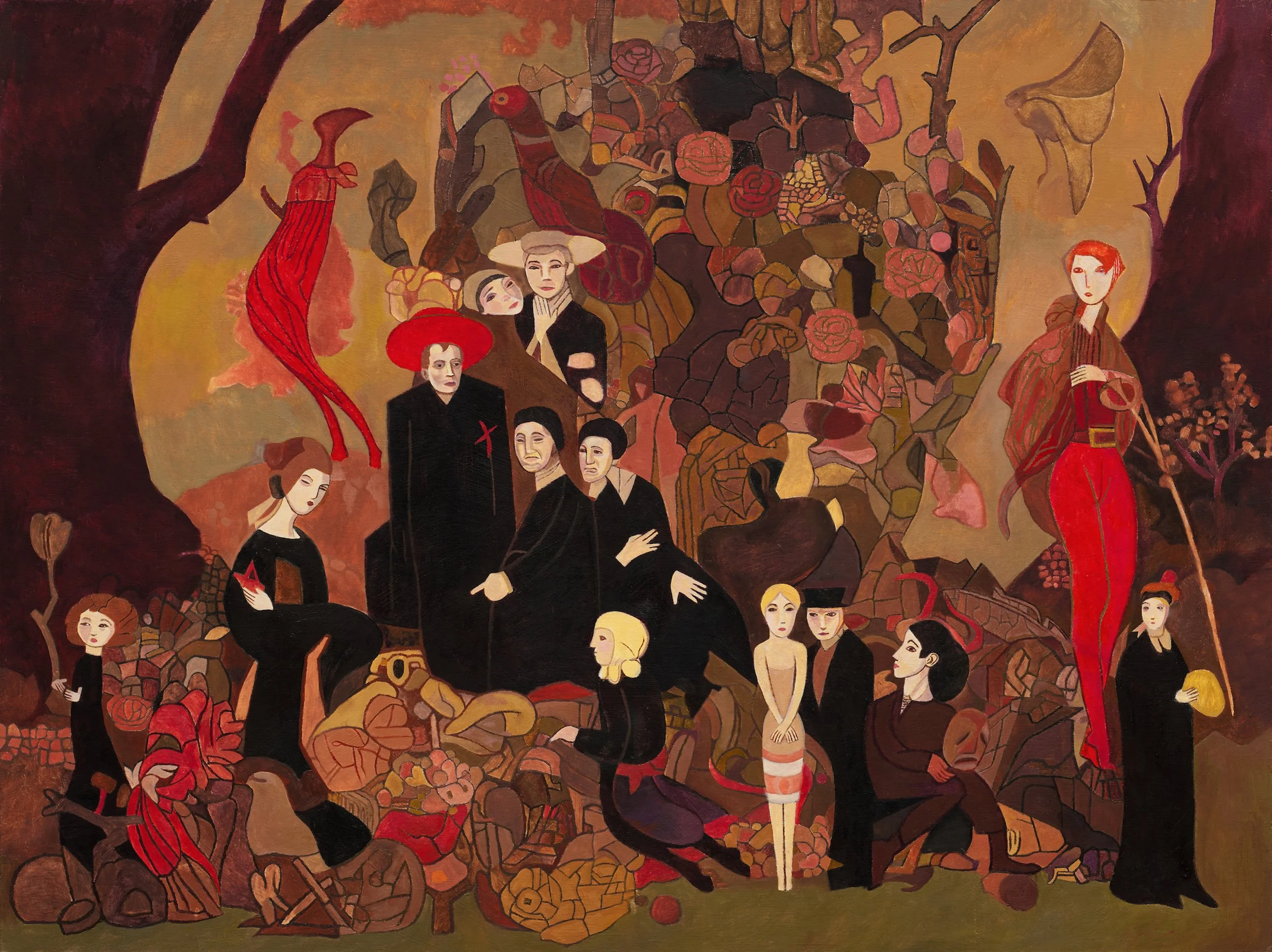
DAVID M. BALL
HIERARCHICALOil on Birch Panel30 x 40 inches76.2 × 101.6 centimeters
$4000INQUIRE →
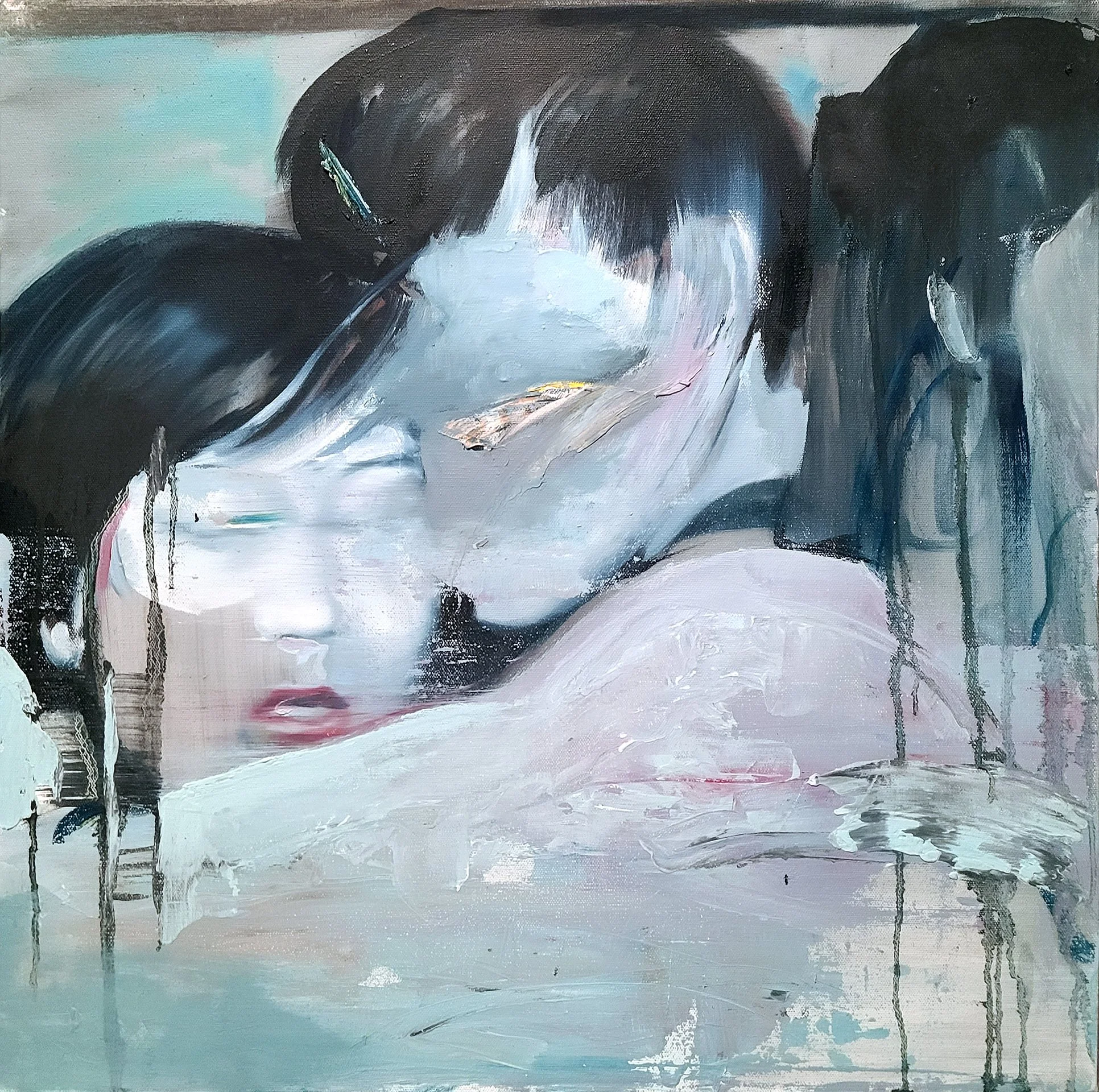
ILYA SHKIPIN
HELDOil on canvas24 x 24 inches61 × 61 centimeters
$1550INQUIRE →
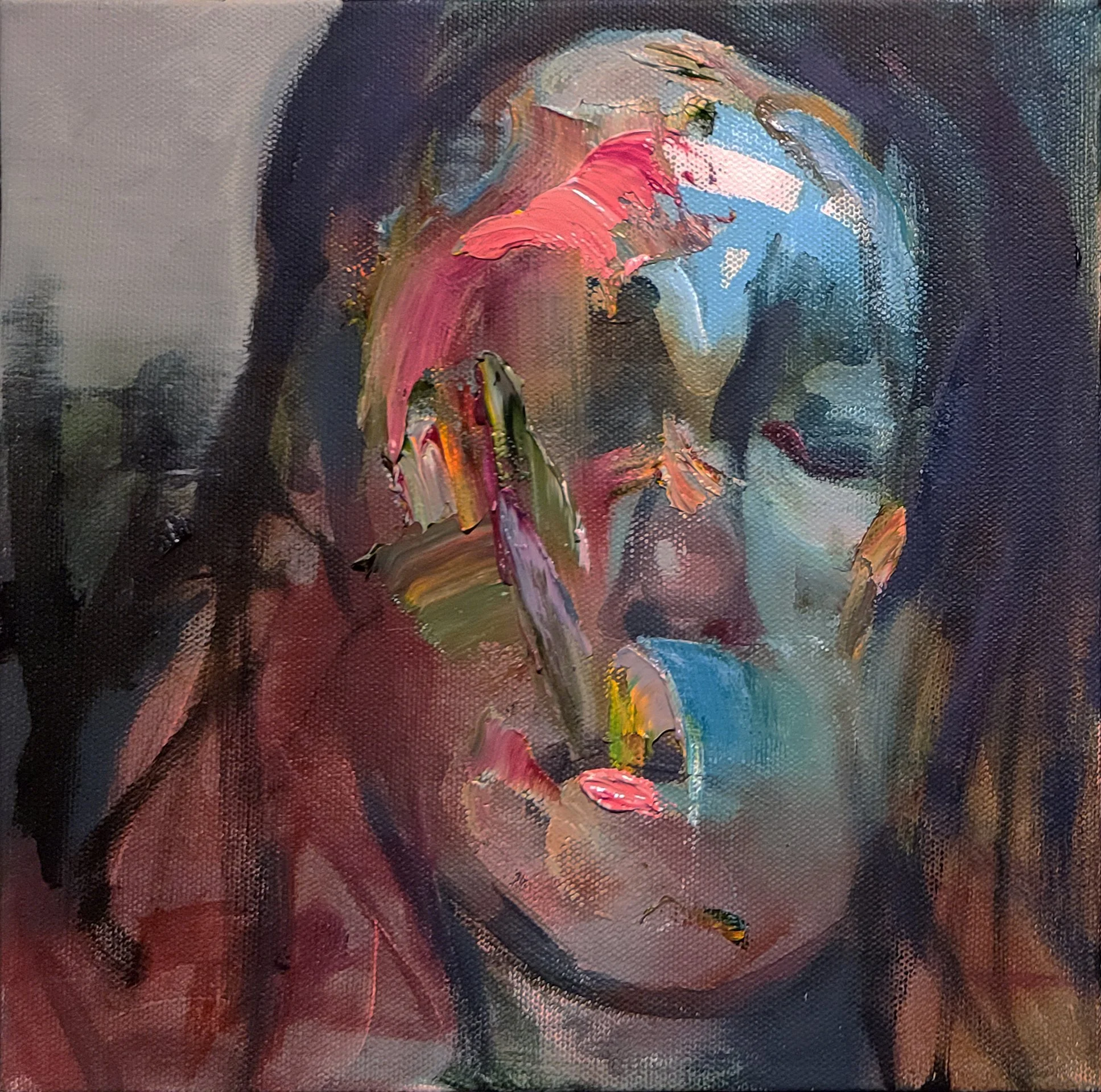
ILYA SHKIPIN
FORGETFULOil on canvas12 x 12 inches30.5 × 30.5 centimeters
SOLD
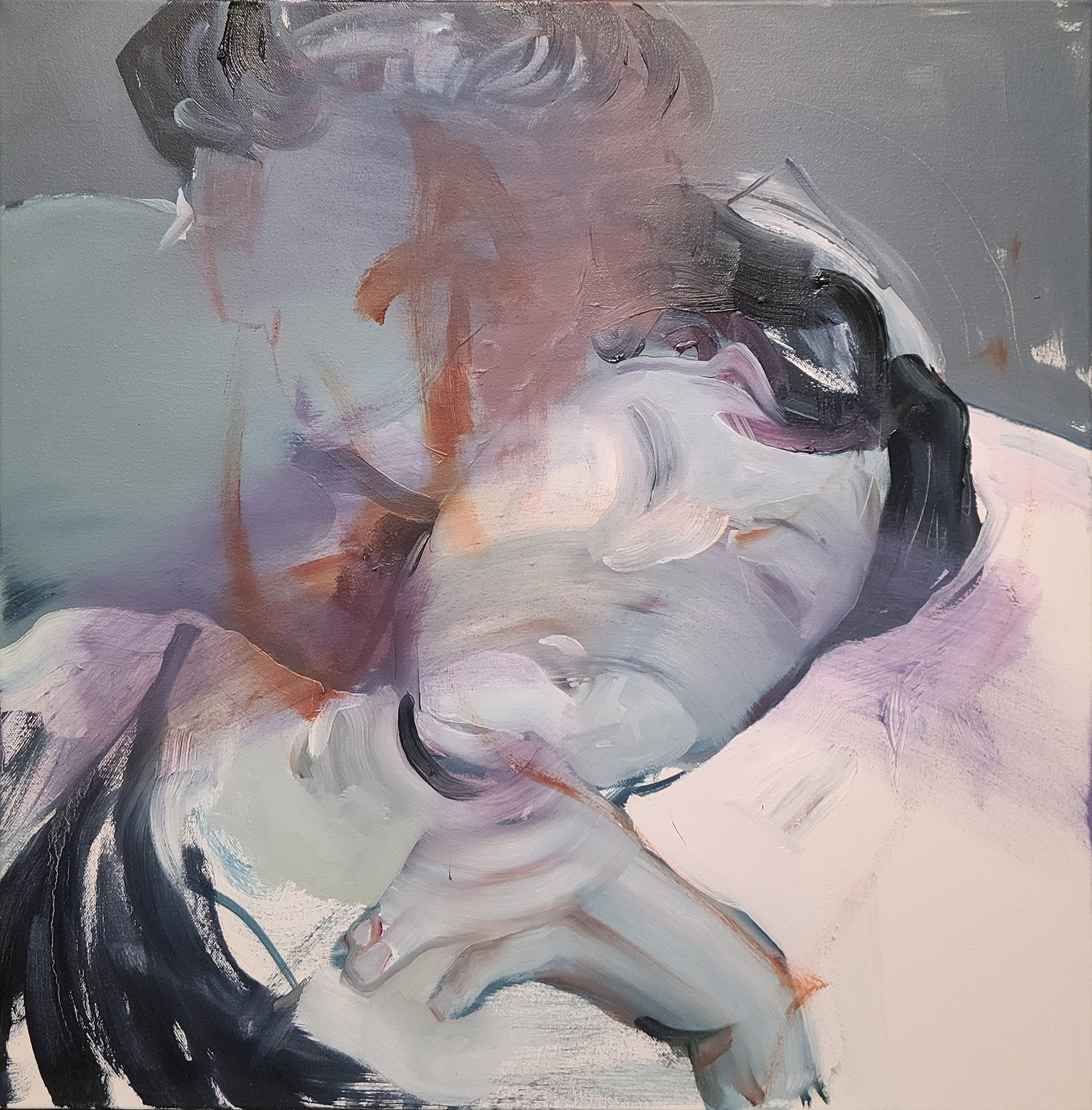
ILYA SHKIPIN
CLOSUREOil on canvas20 x 20 inches76.2 × 45.7 centimeters
$1250INQUIRE →
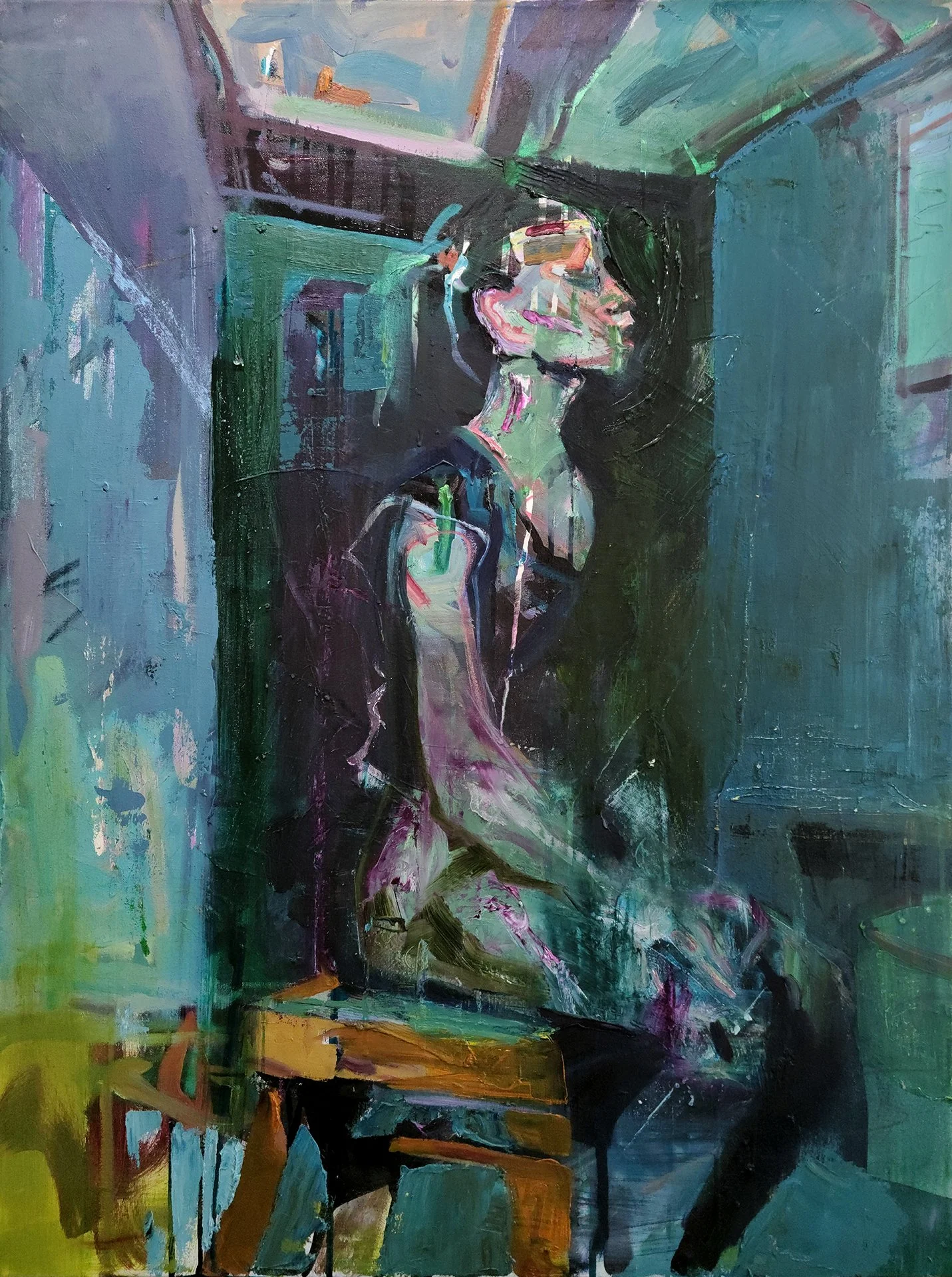
ILYA SHKIPIN
CROSSINGOil on canvas40 x 30 inches101.6 × 76.2 centimeters
$2300INQUIRE →
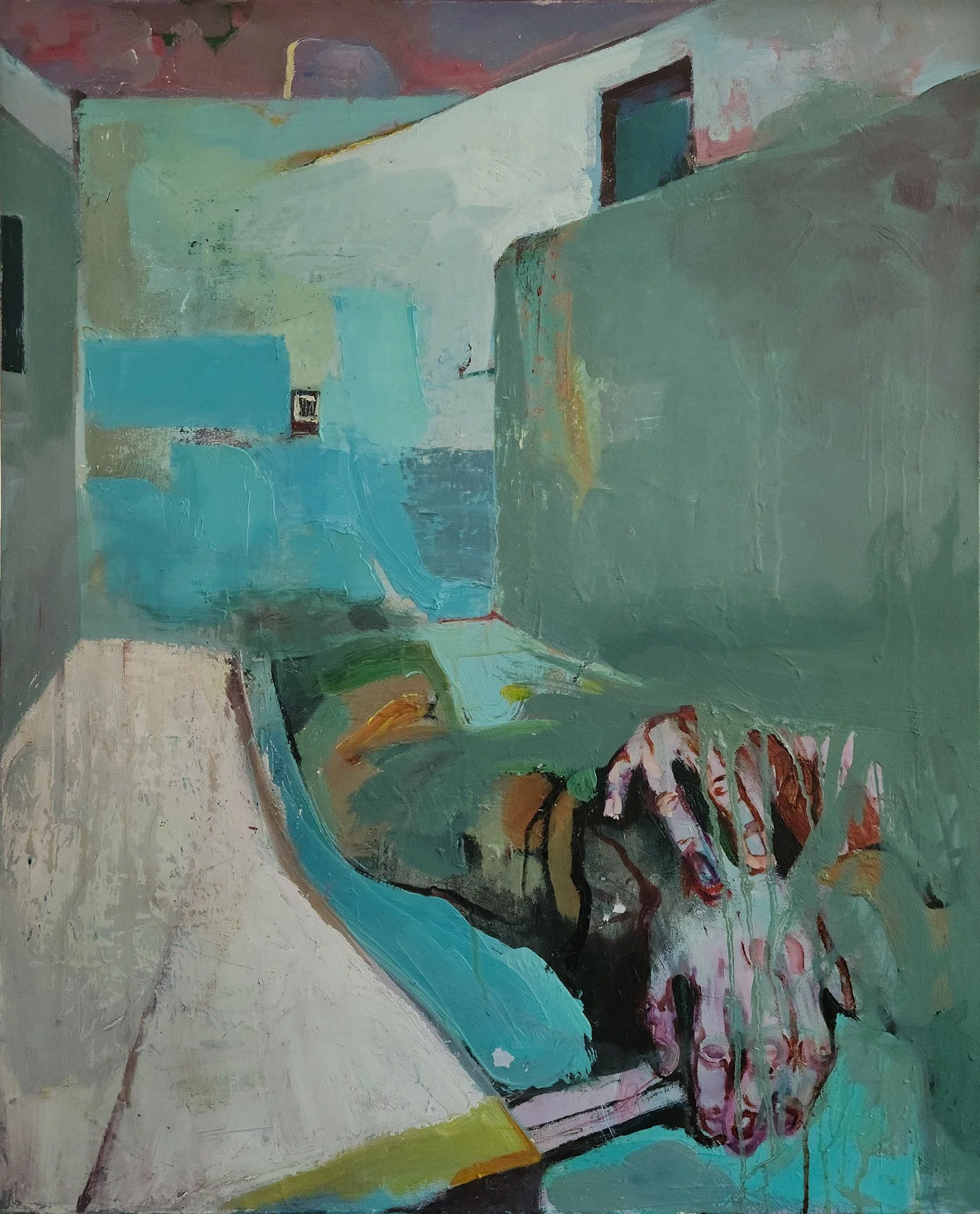
ILYA SHKIPIN
THE VISITOil on canvas36 x 24 inches91.4 × 61 centimeters
$1850INQUIRE →
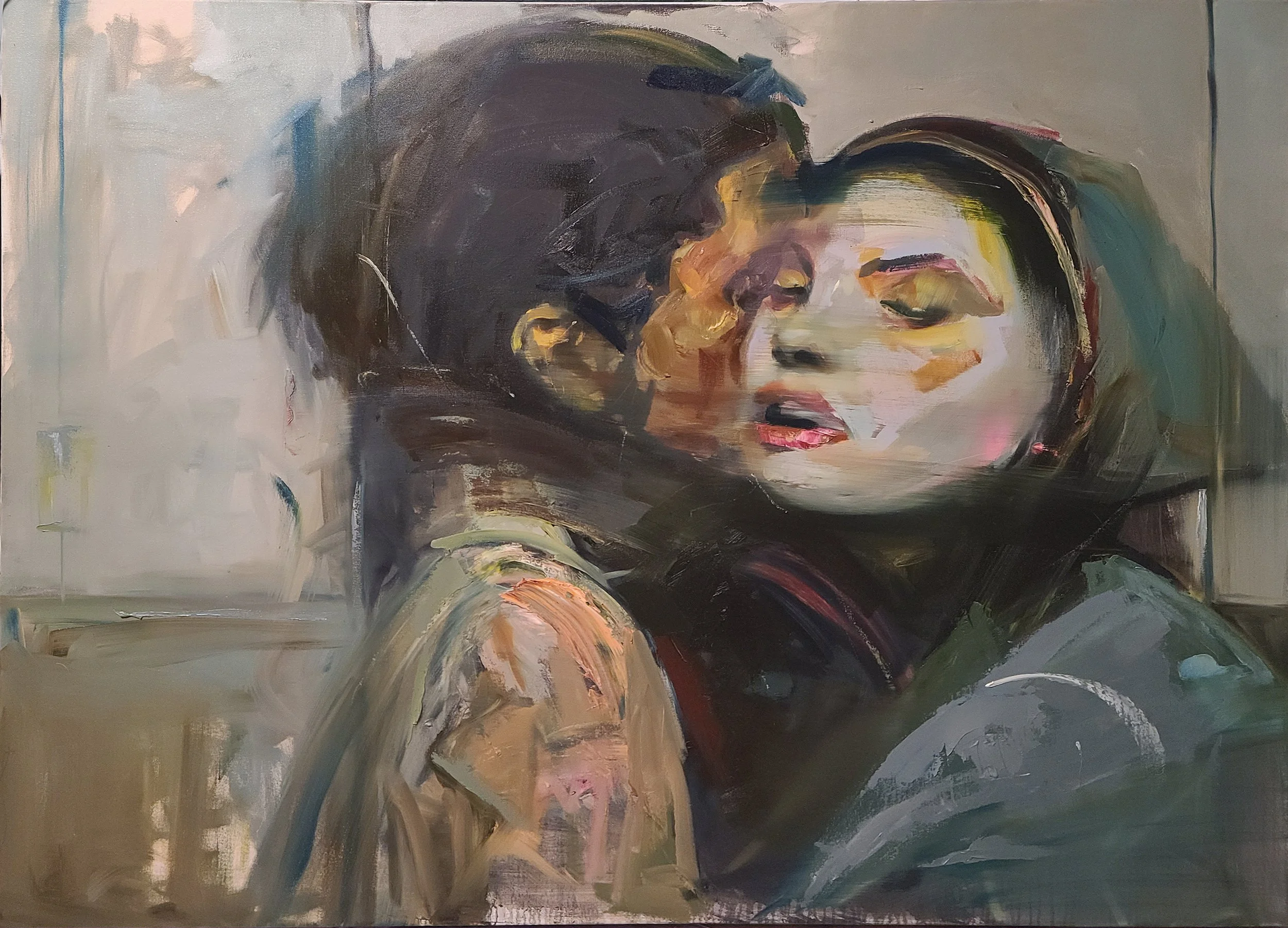
ILYA SHKIPIN
THE LAST WARM THINGOil on canvas35 x 46 inches88.9 x 116.8 centimeters
$2750INQUIRE →
David M. Ball is a San Francisco–based artist whose practice spans painting, collage, illustration, muralism, and digital image-making. Raised by an art director father who taught him to look beyond the obvious, Ball studied illustration before beginning his career as a muralist in Boston and later working in animation in San Francisco. During the late 1990s and early 2000s, he created collage-based illustrations for clients including Wired, Time Digital, PlayStation, and BusinessWeek, while also teaching illustration and Photoshop at the Academy of Art University.

Ball eventually left commercial illustration to concentrate on fine art, developing mixed-media works across paper, canvas, linen, papyrus, and birch panel. In recent years, he has shifted toward oil painting, using digitally generated imagery and collage as tools for constructing unexpected compositions. His current work brings contrasting visual histories into contact, exploring the tension between chance and intention, technological generation and human touch.
Ilya Shkipin (b. 1989) earned his BFA in Illustration from the Academy of Art in San Francisco and currently lives and works in Patterson, California.In his paintings, ordinary scenes dissolve into emotional abstraction as figures and environments bleed into one another, frozen in time. Inspired by photos, movie stills and imagination, Shkipin employs gestural paint application to interpret human experience through distorted spaces and amorphous forms. Figures blend into dreamlike voids, capturing the tenuous way memories drift in and out of consciousness. For the past five years, he has also incorporated neural networks into his creative process, using AI to further push his work into innovative new territory. Beyond the canvas, Shkipin expresses his experimental spirit as the bassist and singer of an indie-rock band, The Laytcomers. Whether wielding a brush or guitar, he explores the fluid nature of human experience and memory through abstract, emotionally evocative work.